

· By Annemarie
Signs of Alcohol Dehydration: signs of alcohol dehydration and tips
We've all been there. That parched, foggy feeling after a night out is your body sending out an S.O.S. for water. The most common clues are a nagging thirst, a dry or sticky mouth, and a dull headache—all classic signs you're running low on essential fluids.
Why Alcohol Drains Your Body of Water
Ever wondered why you’re making so many trips to the bathroom when you're drinking? The answer is all about how alcohol messes with your brain and kidneys. Simply put, alcohol is a diuretic, which is just a fancy way of saying it makes you pee a lot more than you normally would.
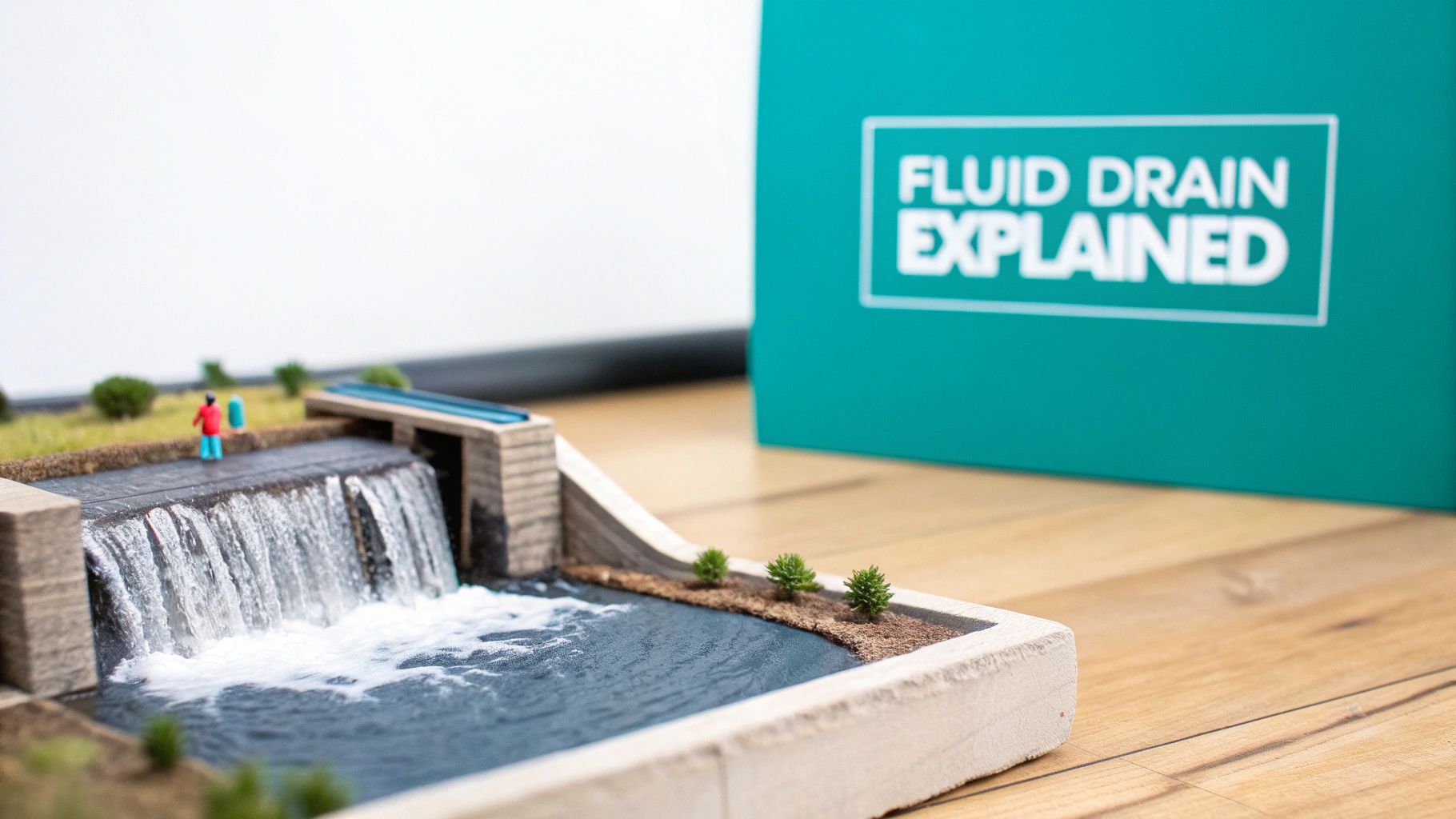
It all starts when alcohol puts the brakes on a critical hormone called vasopressin. Think of vasopressin as the security guard for your body’s water supply; its job is to tell your kidneys to hold onto water and keep you hydrated. But when alcohol shows up, it basically tells that guard to go on a long break.
The Floodgate Effect
With vasopressin off-duty, your kidneys get the wrong signal. They swing open the floodgates and start flushing out water like there's no tomorrow. It’s pretty wild—for every standard alcoholic drink you have, your body can push out up to four times as much liquid. You end up losing fluid way faster than you’re taking it in, creating a serious deficit.
This rapid fluid loss is the real culprit behind that sluggish, out-of-it feeling the next day. It triggers a whole domino effect:
- Electrolyte Imbalance: You’re not just losing water. You're also flushing out vital minerals like potassium and sodium, which your nerves and muscles need to function properly.
- Reduced Blood Volume: As your fluid levels drop, so does the amount of blood circulating in your body. This forces your heart to work overtime to pump blood where it needs to go.
- Cellular Stress: From your brain to your muscles, every single cell in your body needs water to do its job. Dehydration puts them all under major strain.
Understanding this is the first step to feeling better. When you realize that alcohol is actively tricking your body into getting rid of water, it becomes obvious why hydrating ahead of time isn't just a good idea—it's non-negotiable for a better morning after.
Knowing what’s happening behind the scenes helps you make smarter choices. If you’re curious and want to dive deeper into the science, you can learn more about how alcohol dehydrates you in our detailed guide. This knowledge is your foundation for spotting the signs of alcohol dehydration and knowing exactly how to bounce back.
Recognizing the Early Warning Signs
The first hints of alcohol dehydration are usually pretty subtle. They're like quiet little alarms that are all too easy to ignore when you're in the middle of a fun night out. But paying attention to these early signals is your best bet for stopping a minor inconvenience from blowing up into a miserable next day.
The most obvious and immediate sign? That nagging thirst. This isn't just you wanting another drink; it's a very specific command from your body. As alcohol starts flushing water out of your system, the salt concentration in your blood creeps up. Your brain's "thirst center," the hypothalamus, picks up on this imbalance and immediately sends out a powerful signal: drink water, now.
That Dry Mouth Feeling
Right on the heels of thirst is that classic dry, sticky mouth—what everyone calls "cotton mouth." This happens because your body, in an effort to conserve water, dramatically slows down saliva production. Saliva is more than just spit; it’s crucial for keeping your mouth comfortable. When it dries up, you're left with that pasty, unpleasant feeling, another clear sign your fluid levels are dropping.
Then comes one of the most common calling cards of dehydration: a dull, throbbing headache. It's no coincidence. Your brain is about 75% water and is incredibly sensitive to any changes in hydration. When you're dehydrated, your brain tissue can actually shrink a tiny bit, pulling away from your skull. This tugging motion triggers pain receptors, and voilà, you've got that familiar ache.
Headaches and a parched mouth are the hallmark signs of dehydration from drinking, affecting over 70% of heavy drinkers the morning after. Studies confirm that as your blood concentration changes, it fuels that cotton-mouth feeling and the pulsating pain in your head. Interestingly, while thirst is a huge part of what makes a hangover so awful, research shows that just drinking water during a night out only slightly lessens the next day's misery. It's a clear sign that dehydration is a major player, but not the only one. You can dive into the full research about these hangover findings to get the complete picture.
Don't Ignore These Signals
It's tempting to just write off these early symptoms. You might grab another beer thinking it'll quench your thirst, or pop an aspirin for the headache and carry on. But these feelings are your body trying to tell you something important.
- Thirst: This is a direct plea from your brain to rebalance your system with some water.
- Dry Mouth: A physical sign that your body is cutting back on non-essential functions (like making spit) to save every drop of water it can.
- Headache: A serious warning that you've lost enough fluid to physically affect your brain.
Learning to recognize these signals for what they are—your body's early warning system—is the first real step toward smarter drinking habits. They give you a window of opportunity to rehydrate before things get much, much worse.
When Dehydration Symptoms Become Obvious
If you ignore those first few subtle hints your body is sending, the whispers of dehydration will quickly turn into shouts. As your fluid levels keep dropping, the signs of alcohol dehydration become way more obvious and a lot harder to just brush off. This is the point where your body goes from sending gentle reminders to full-on distress signals.
One of the most common and knockout signs is a deep, persistent fatigue. We’re not talking about just feeling a little tired; this is a bone-deep exhaustion that weighs you down. Think of your body as a car trying to run on fumes. Without enough water, every single function—from pumping blood to keeping your temperature stable—takes way more effort, leaving you feeling completely drained.
This infographic breaks down the initial signs that usually show up before things get this serious.
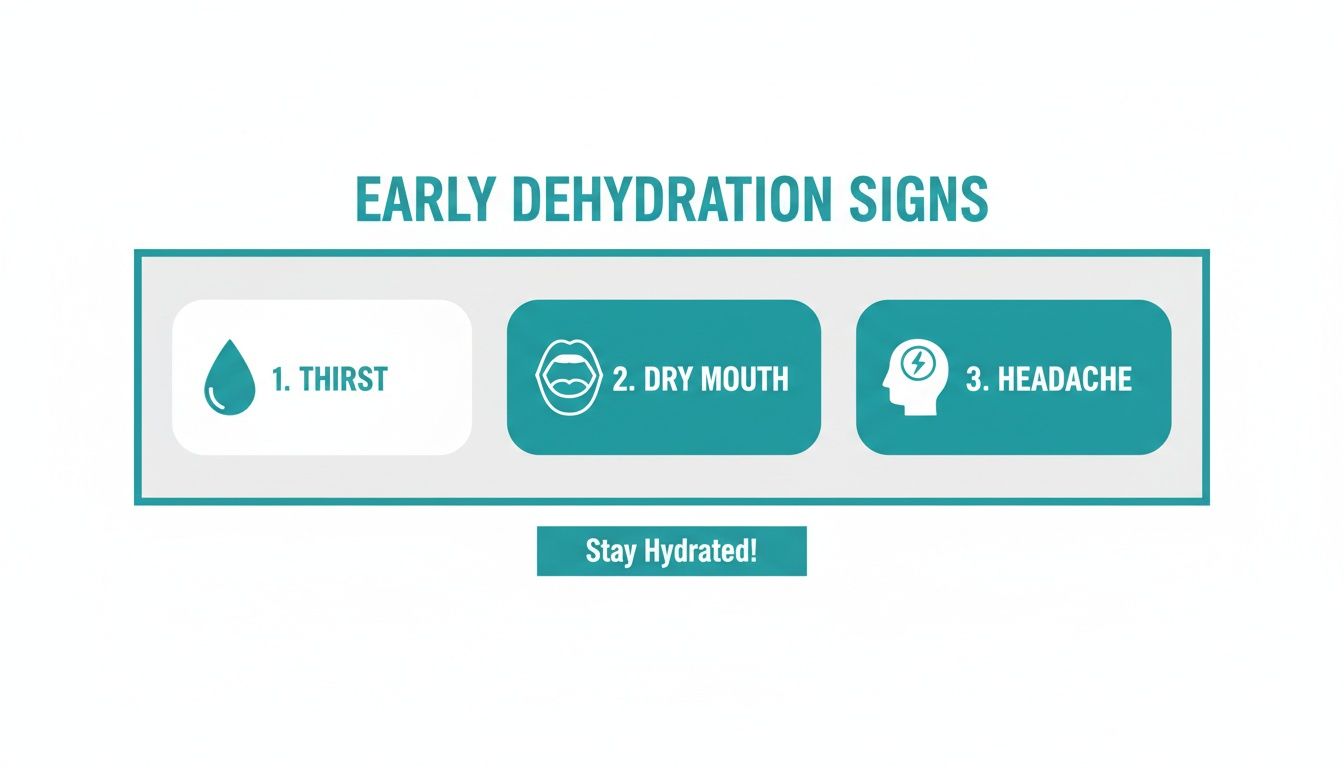
These three early warnings are your body's first line of defense, letting you know it's time to rehydrate immediately before the more severe stuff kicks in.
More Than Just Tired
Beyond that overwhelming fatigue, you might start feeling dizzy or lightheaded, especially when you stand up a bit too fast. That spinning sensation isn't random. It’s a direct result of lower blood volume. With less fluid in your system, your blood pressure can drop, making it tougher for your heart to get enough oxygen-rich blood to your brain.
Painful muscle cramps are another classic sign. Alcohol's diuretic effect doesn't just flush out water; it takes essential electrolytes like potassium and sodium along for the ride. These minerals are crucial for proper muscle function. When they're low, your muscles can start contracting on their own, leading to those sharp, sudden cramps in your legs or elsewhere.
Feeling shaky, weak, and dizzy after drinking are major red flags. Research shows that social drinkers can urinate nearly 300ml more after consuming whiskey, tipping their bodies into a negative fluid balance. This fluid loss, combined with alcohol's effects on body temperature and blood flow, intensifies fatigue and dizziness. Cognitive functions also take a significant hit; studies found that a 2% dehydration level combined with a 0.072% blood alcohol content severely impaired mood, executive function, and even the willingness to drive. Dive into the research about dehydration's impact on cognition to understand the full scope.
The Color Test
Finally, one of the clearest (and most overlooked) signs of alcohol dehydration is right there in your urine. If you notice you're not going very often and when you do, it’s a dark yellow or even amber color, that’s a direct message from your kidneys. They've gone into conservation mode, holding on to every last drop of water to protect your vital organs. This is a huge clue that your body is already seriously dehydrated.
It can be tough to know just how bad things are. This quick table helps break down the difference between those early signs and the more obvious, serious symptoms.
Alcohol Dehydration Symptoms Mild vs Severe
| Symptom Level | Common Signs to Watch For | What It Means for Your Body |
|---|---|---|
| Mild | Nagging thirst, dry or sticky mouth, a dull headache. | Your body is just starting to feel the fluid loss and is sending out its first warning signals to get you to drink some water. |
| Severe | Deep fatigue, dizziness when standing, dark urine, muscle cramps, and a rapid heartbeat. | Your system is now actively struggling to perform basic functions. Vital organs are being strained, and it's time for immediate action. |
Spotting where you fall on this chart can help you decide whether a few glasses of water will do the trick or if you need to take things more seriously.
How Dehydration Affects Your Brain and Mood
We’ve all been there. The pounding head, the dry mouth, the muscle aches—the physical signs of dehydration after a few drinks are pretty hard to ignore.
But what about the mental side of things? That sluggish, foggy feeling you get the next day isn't just you being tired. It’s a direct hit on your brain's performance, all thanks to fluid loss.
Ever tried to tackle a complex spreadsheet or lead a team meeting after a work happy hour? Your thoughts feel like they’re wading through mud, focusing is a nightmare, and every little thing seems to get on your nerves. That’s your brain on dehydration.
Even losing a small amount of fluid can mess with blood flow to the brain, tanking critical functions like short-term memory, concentration, and your ability to make good decisions.
The Cognitive Consequences
So, what’s actually happening up there? Your brain cells need a very specific balance of water and electrolytes to fire off messages to each other. Alcohol completely disrupts this delicate system.
When that balance is thrown off, it interferes with your neurotransmitters—the chemical messengers that control everything from your mood to how clearly you can think. The result is a whole host of cognitive symptoms that make even simple tasks feel like climbing a mountain.
- Brain Fog: That general sense of confusion and forgetfulness where your thoughts just won't connect.
- Difficulty Concentrating: You find yourself reading the same email three times over or getting sidetracked by the smallest things.
- Irritability and Mood Swings: Suddenly, tiny frustrations feel like a huge deal. That's your brain chemistry getting thrown for a loop.
Did you know that even moderate drinking can spike your plasma osmolality—a key marker for dehydration—in just one hour? This rapid shift is what kicks off that intense thirst as your body scrambles to get back to normal. It's all because alcohol suppresses a hormone that tells your kidneys to hold onto water, so you end up flushing out more fluid than you're taking in. Even worse, post-drinking rehydration can be surprisingly ineffective, with the body often retaining less than half the fluids you drink. You can read more about the rapid evidence of alcohol's dehydrating effects to see the science behind it.
More Than Just a Bad Mood
The link between being dehydrated and feeling down is surprisingly strong. The same hormonal shifts causing your headache are also cranking up your feelings of stress and anxiety. Your body is under pressure, and your brain is sending out distress signals in the form of a bad mood.
If you’ve ever wondered why a night of drinking leaves you feeling anxious the next day, dehydration is a huge piece of the puzzle. To dig deeper into this, check out our guide on why you might feel anxious after drinking.
Realizing that this mental slump is one of the biggest signs of alcohol dehydration makes it clear why staying hydrated is so important. It's not just about dodging a headache; it’s about protecting your focus, keeping your mood stable, and making sure you can perform at your best.
A Practical Guide to Prevention and Recovery
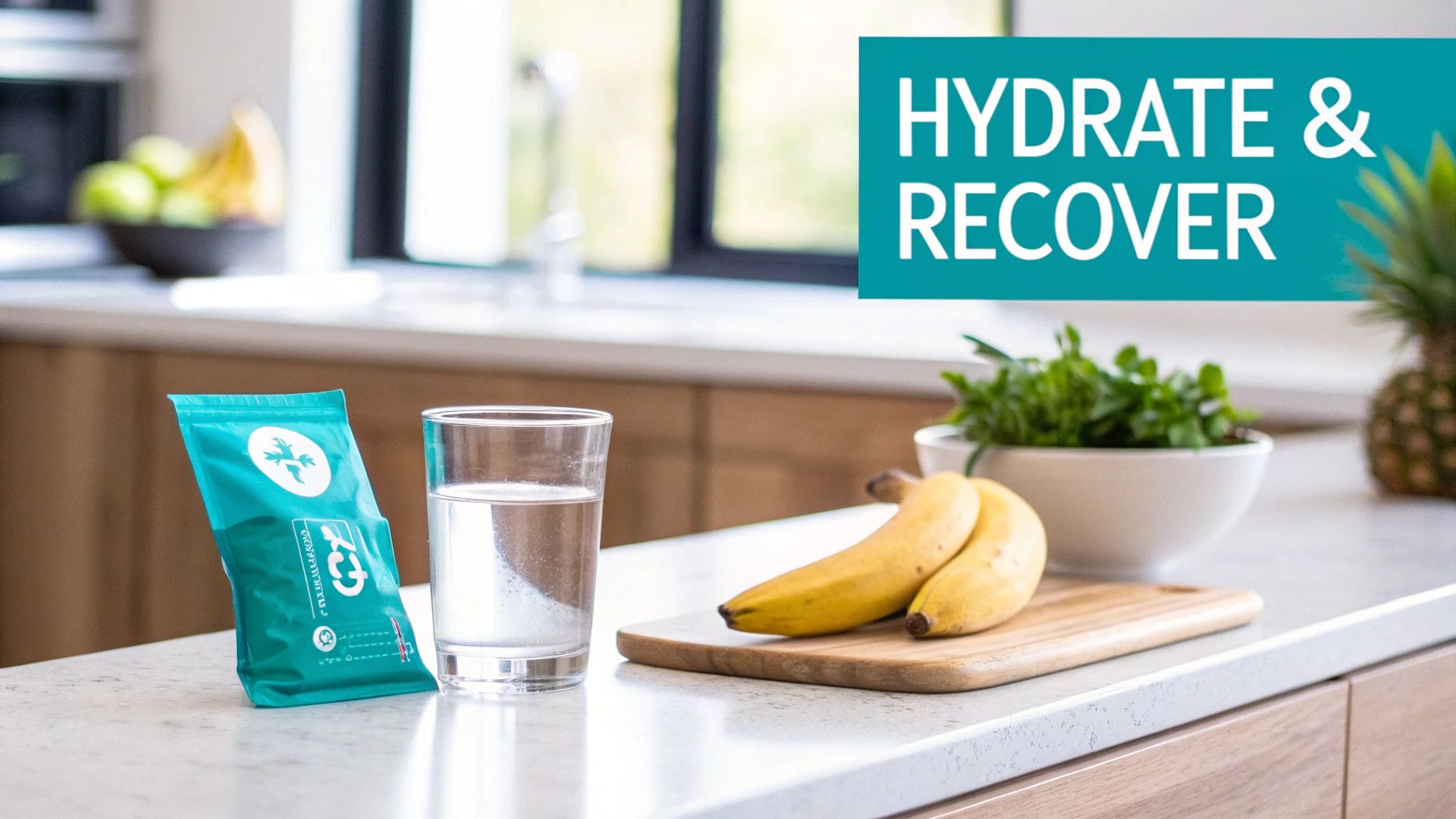
Knowing the signs of alcohol dehydration is only half the battle. The other half is figuring out what to actually do about it.
The best way to handle it is with a two-part strategy: smart prevention before you start drinking and a solid recovery plan for the morning after. This simple playbook can be the difference between a great night out and a really, really rough next day.
Prevention doesn’t need to be some complicated ritual. It’s all about giving your body a head start on hydration before alcohol even makes an appearance. Think of it like filling up your car's gas tank before a long road trip—you just want to start with a full reserve.
Smart Prevention Strategies
The real key to avoiding the worst of it is being proactive. Instead of trying to play catch-up later, a few simple habits can keep your fluid levels much more stable from the get-go.
- Hydrate Throughout the Day: Don't wait until happy hour to start chugging water. Sip consistently all day long to make sure you’re starting the evening fully hydrated.
- The One-for-One Rule: This is a classic for a reason. For every alcoholic drink you have, follow it up with a full glass of water. This simple trick directly pushes back against alcohol's diuretic effect, helping you replace lost fluids in real-time.
- Eat a Balanced Meal: Food, especially stuff rich in protein and healthy fats, helps slow down how quickly alcohol gets into your bloodstream. It also gives your body the essential nutrients it needs to process everything.
By prepping your body beforehand, you create a buffer that makes any fluid loss less severe, helping you dodge the worst signs of alcohol dehydration.
Beyond Water: Effective Recovery
When you wake up feeling it, your first instinct is probably to grab the biggest glass of water you can find. That’s a good start, but real recovery needs a little more. Alcohol doesn't just flush out water; it also depletes critical electrolytes like potassium and sodium, which your body needs for everything from nerve function to muscle control.
Rehydrating after drinking is about more than just H2O. Your body is craving a complete restock of fluids and minerals. Replenishing electrolytes is the key to helping your cells actually absorb and hold onto water, which speeds up the whole recovery process.
This is where smarter hydration solutions come in. Plain water can sometimes feel like it goes right through you, especially when your system is all out of whack. To learn more about why that happens, you can check out our detailed guide on managing dehydration after drinking alcohol.
For busy people who are conscious about their health, a targeted approach is usually the most practical. Products like Upside Hangover Jelly offer a smart, convenient way to tackle recovery. Its formula of natural ingredients is specifically designed to restore both vital fluids and those essential electrolytes way more effectively than water alone.
The unique, on-the-go jelly format makes it the perfect tool for both smart prep and faster recovery. You can easily take one before you head out to give your body a protective boost or use it the next morning to bounce back quicker. It’s a modern solution for enjoying your social life without having to sacrifice your well-being.
Knowing When to Call for Backup
Look, most of the time, a case of alcohol-related dehydration can be handled at home with some rest, a big bottle of water, and maybe an electrolyte drink. But it's super important to know the difference between just feeling rough after a big night out and a real medical problem. Your health always comes first, and being able to spot the signs of severe dehydration is key to keeping yourself safe.
While it’s not common, severe dehydration can absolutely turn into a medical emergency. It’s time to get professional help, and fast, if you or a friend are experiencing symptoms that are way beyond a typical hangover. You need to pay close attention to these warning signs.
Red Flags That Mean It's an Emergency
If any of these symptoms show up, don't try to wait it out. These could be signs of severe dehydration or another serious issue that needs a doctor right away.
- Extreme confusion or disorientation: We're not talking about simple brain fog. This is when someone genuinely can't figure out where they are or what's going on around them.
- Fainting or loss of consciousness: Passing out for any reason is a major red flag. Period.
- Rapid heartbeat or breathing: A racing pulse that just won't calm down, even when you're resting.
- Can't keep any fluids down: If you're vomiting so much that you can't even keep a sip of water down, you can't rehydrate on your own.
- No peeing for more than eight hours: This is a serious sign that your kidneys are under a ton of stress.
When you see these symptoms, it means the body is really struggling to keep its basic functions running. At this point, home remedies just aren't going to cut it. You need medical care to safely get fluids and electrolytes back in balance and make sure nothing else serious is going on.
Always trust your gut. If something feels seriously wrong, it's always better to play it safe and call a doctor or head to an urgent care clinic. Taking care of yourself is the smartest way to party.
Your Questions About Alcohol Dehydration, Answered
When you're navigating the world of social drinking, knowing how to take care of your body is key. Let's tackle some of the most common questions about alcohol dehydration and how to handle it like a pro.
How Long Does Alcohol Dehydration Last?
Honestly, the timeline for bouncing back really depends on how much you had to drink and how quickly you get on top of rehydrating. For a mild case, that slightly foggy feeling and nagging thirst can usually be kicked to the curb in a few hours once you start replacing fluids and electrolytes.
But if you're dealing with more moderate dehydration, don't be surprised if symptoms like fatigue, headaches, and general weakness stick around for 24 hours or more. Your body is working hard to get its delicate balance of fluids and minerals back on track, and that just takes time.
Is Alcohol Dehydration the Same Thing as a Hangover?
This is a great question. They're deeply connected, but they aren't exactly the same thing. Think of dehydration as a major player in the classic hangover lineup—it's the main culprit behind the thirst, headaches, dizziness, and fatigue. It's a huge piece of the puzzle.
A full-blown hangover, though, is a bit more complicated. It also involves other factors like inflammation, irritation in your stomach from the alcohol itself, and poor sleep quality. So while you can't really have a hangover without being dehydrated to some degree, dehydration is just one part of that overall miserable feeling.
Are Electrolyte Drinks Actually Better Than Water?
For recovering after a night of drinking, the short answer is yes, they're often a much better choice. When you drink, your body doesn't just lose water; it also flushes out essential electrolytes like sodium and potassium, which are crucial for your nerves and muscles to work properly.
Plain water is great, and you definitely need it to replace lost fluids, but it doesn't give you back those vital minerals you've lost.
An electrolyte-rich solution helps your body find its equilibrium again, allowing your cells to absorb and hold onto water much more effectively. This is exactly why a targeted recovery aid will help you bounce back faster than just chugging water alone.
For a smart, simple way to stay ahead of dehydration and support your body's recovery, try Upside Hangover Jelly. Its science-backed, natural formula is designed to replenish both fluids and essential electrolytes, helping you enjoy your night and feel your best the next day. Learn more and get yours today at enjoyupside.com.
#upside #enjoyupside #upsidejelly #livemore #hangovercure #hangoverprevention #fighthangovers #preventhangovers #HangoverRelief #MorningAfter #PartySmarter #HydrationStation #WellnessVibes #RecoverFaster #NoMoreHangovers #HealthyParty #HangoverHacks #FeelGoodMorning #NightlifeEssentials #HangoverFree #SupplementGoals #PostPartyPrep #GoodVibesOnly #HealthAndParty #HangoverHelper #UpsideToPartying