

· By Annemarie
Why Does My Stomach Hurt When Drinking Alcohol and How to Stop It
Let's be honest, you're probably here because your stomach is not happy with you after a few drinks, and you want to know what's going on.
The short answer? Alcohol is a direct irritant to your digestive system. It essentially wages a three-pronged attack on your stomach: it aggravates the sensitive lining, cranks up acid production, and can even slow down the whole digestive process. It's the perfect recipe for discomfort, from a nagging ache to full-blown cramps.
Your Guide to Alcohol-Related Stomach Pain
If you've ever dealt with that burning, churning, or just plain miserable feeling in your gut after a night out, you’re definitely not alone. It's an incredibly common reaction. Think of it like this: your stomach has a protective barrier, and alcohol acts like a harsh solvent, stripping it away and leaving everything raw and inflamed.
This guide will walk you through exactly what's happening inside your body when you drink. We'll get into the science of it, point out which drinks might be bigger culprits, and give you some real-world tips to prevent the pain—and find relief when it’s too late. The goal isn't to make you give up your social life, but to help you drink smarter.
The Science of Stomach Discomfort
From the moment you take a sip, alcohol starts its journey. And while you might assume it gets digested like food, that’s not quite how it works. Instead, it gets absorbed straight into your bloodstream, and about 20% of that absorption happens right in your stomach. This is where the trouble usually kicks off.
The main issue is something called alcohol-induced gastritis, which is just a fancy term for an inflamed stomach lining. It’s far from rare—some studies show that around 43% of regular drinkers experience worse digestive symptoms when they drink.
Here’s the double-whammy: alcohol tells your stomach to produce more corrosive acid, while at the same time, it weakens the protective mucus layer that’s supposed to shield the stomach wall from that acid. It’s like turning up the heat and removing the fire extinguisher at the same time. The result is your stomach essentially irritating itself, leading to that all-too-familiar burn and inflammation. You can dig into the research on how alcohol impacts the stomach lining and acid production if you want to get into the nitty-gritty.
Common Triggers and Symptoms
Figuring out the "why" behind your specific pain is the first step to feeling better. The discomfort can show up in a few different ways, but it all comes back to a few key reasons.
To give you a clearer picture, here's a quick summary of what's happening when your stomach starts to protest.
Quick Guide to Why Alcohol Upsets Your Stomach
| Primary Cause | Simple Explanation | Common Symptoms |
|---|---|---|
| Increased Stomach Acid | Alcohol signals your stomach to pump out more acid than it needs for digestion. | Burning sensation, heartburn, acid reflux. |
| Stomach Lining Irritation | Direct contact with alcohol inflames the sensitive lining of your stomach wall. | Gnawing or dull ache, nausea, bloating. |
| Delayed Digestion | Alcohol can slow down how quickly your stomach empties its contents into the intestines. | Feeling overly full, uncomfortable pressure. |
| Muscle Spasms | The irritation can make the smooth muscles in your digestive tract cramp up unexpectedly. | Sharp, sudden pains or cramps. |
Breaking it down like this helps connect the dots between that cocktail and the specific feeling you’re having. Whether it's the slow, heavy feeling from delayed digestion or the sharp jab of a muscle spasm, it all traces back to how alcohol interacts with your system.
Here’s a closer look at what’s going on:
- Increased Stomach Acid: Your stomach goes into overdrive, producing way too much acid. That’s what gives you that classic, fiery heartburn feeling that can creep up your chest.
- Stomach Lining Inflammation: The direct contact between alcohol and your stomach lining is just plain irritating. This is what causes that persistent, gnawing ache, often paired with nausea and bloating.
- Delayed Digestion: Alcohol can hit the brakes on your stomach's ability to empty itself. When food and drinks hang around in there for too long, you’re left feeling uncomfortably full and heavy.
- Painful Muscle Spasms: All that irritation can make the muscles in your stomach and intestines contract erratically. This is what causes those sharp, sudden cramps that can really catch you off guard.
How Alcohol Affects Your Digestive System
To get why your stomach throws a fit after a few drinks, you have to follow alcohol’s path through your body. Unlike the food you eat with it, alcohol doesn’t hang around waiting to be broken down. It gets absorbed straight into your bloodstream, and that whole process kicks off the second it hits your stomach. This is where the trouble begins.
Think of your stomach lining as having its own bodyguard—a protective mucus layer. This shield is there for a reason: to protect the stomach wall from the powerful digestive acid it produces. But when alcohol shows up, it starts to wear down and strip away that crucial protective barrier.
The Breakdown of Your Stomach's Defenses
With that shield gone, your stomach wall is suddenly exposed and vulnerable. At the same time, alcohol sends a signal to your stomach to ramp up acid production. Now you’ve got a perfect storm: more corrosive acid than usual, and no protective layer to stop it from directly hitting the sensitive tissue of your stomach lining.
This is what leads to gastritis, which is really just a fancy word for an inflamed, irritated stomach. It's an incredibly common reaction to alcohol's harsh effects. That burning, gnawing pain you feel? That's your stomach literally telling you its defenses have been breached.
This chart breaks down the simple, yet painful, process.
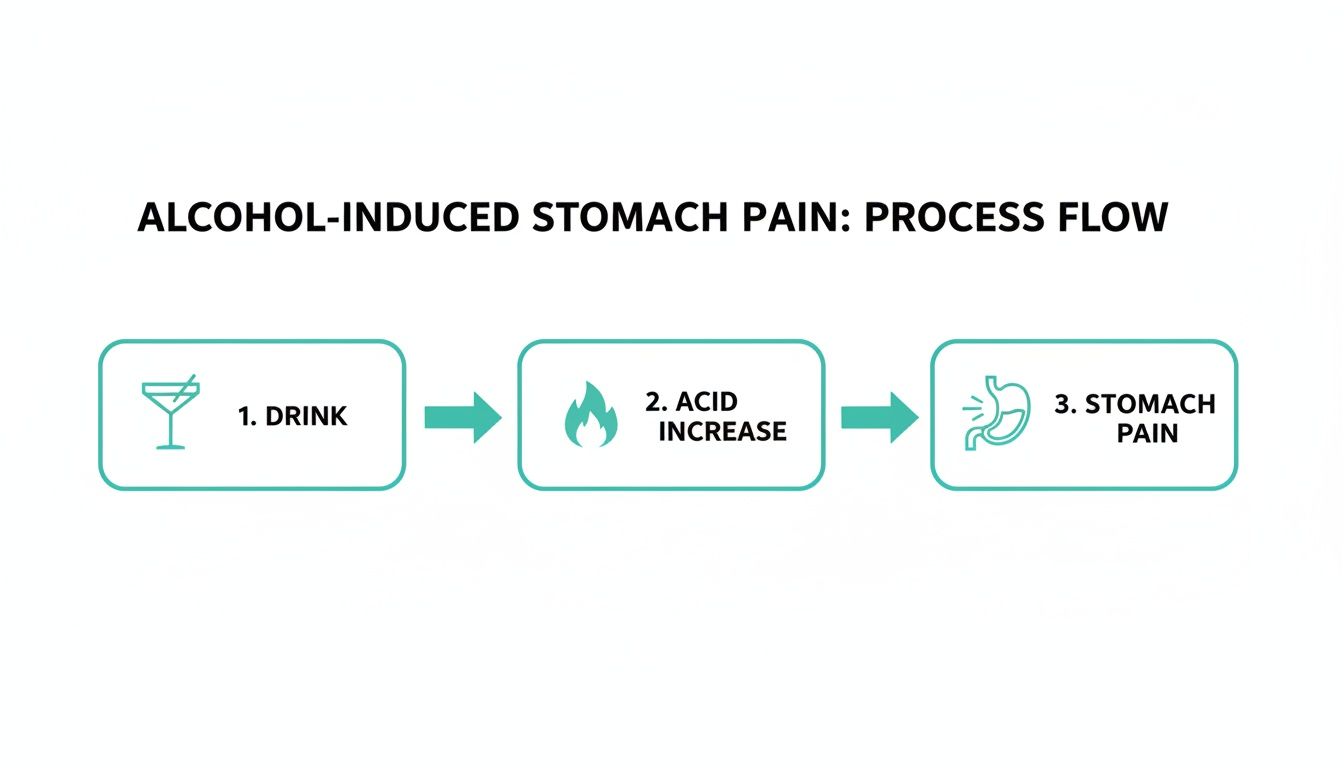
As you can see, it's a straight line from that first drink to the discomfort, all driven by the chemical chaos happening inside you.
This isn’t just a minor inconvenience, either. The toll alcohol takes on digestive health is a serious global issue. In fact, over 50% of alcohol-related deaths are tied to gastrointestinal diseases. Alcohol contributes to around 6% of all deaths worldwide and is a major risk factor for more than 200 different diseases. Your GI tract is often the first to feel the damage, which can lead to bigger problems down the road.
When Digestion Grinds to a Halt
It's not just about inflammation. Alcohol also messes with the physical mechanics of your digestive system. It can slow down gastric motility—that’s the muscular churning your stomach does to move food along to your small intestine.
This slowdown, also known as gastroparesis or delayed stomach emptying, means whatever you've eaten and drunk just sits in your stomach for way too long. This is a major reason you might feel:
- Intensely full: Your stomach feels heavy and stuffed, even hours after you've stopped.
- Bloated and pressured: Trapped food and liquid create that uncomfortable, ballooning feeling in your upper abdomen.
- Nauseous: The mix of stagnant food, all that extra acid, and alcohol irritation is a recipe for nausea.
This delay just makes everything worse. The longer those irritants are stuck in your stomach, the more time they have to cause pain and inflammation. It turns your stomach into a stagnant, acidic mess.
It’s a one-two punch: the chemical burn from the extra acid, plus the physical disruption from slowed-down digestion. This double-whammy is the real reason stomach pain from drinking is so common. It’s a full-on assault on how your digestive system is supposed to work.
Getting a handle on how your body actually breaks down alcohol is the first step to managing these effects. To really connect the dots between the science and how you feel after a night out, check out our deep dive on alcohol metabolism and how your body processes drinks. Understanding the full story, from that first sip to the morning-after regret, can empower you to make smarter choices and avoid the painful consequences.
Which Drinks Cause the Most Stomach Pain
Ever notice how a couple of beers leave you feeling bloated, but a glass of wine gives you that dreaded heartburn? It’s not just in your head. Different drinks have wildly different effects on your stomach, and figuring out which ones are the culprits for you is the first step to a better night out.
The specific ingredients, how it’s made, and even the mixers in your drink of choice can completely change how your stomach reacts. From the fizz in your hard seltzer to the sugar in your margarita, every little thing plays a role. Let's break down which drinks are most likely to cause trouble.
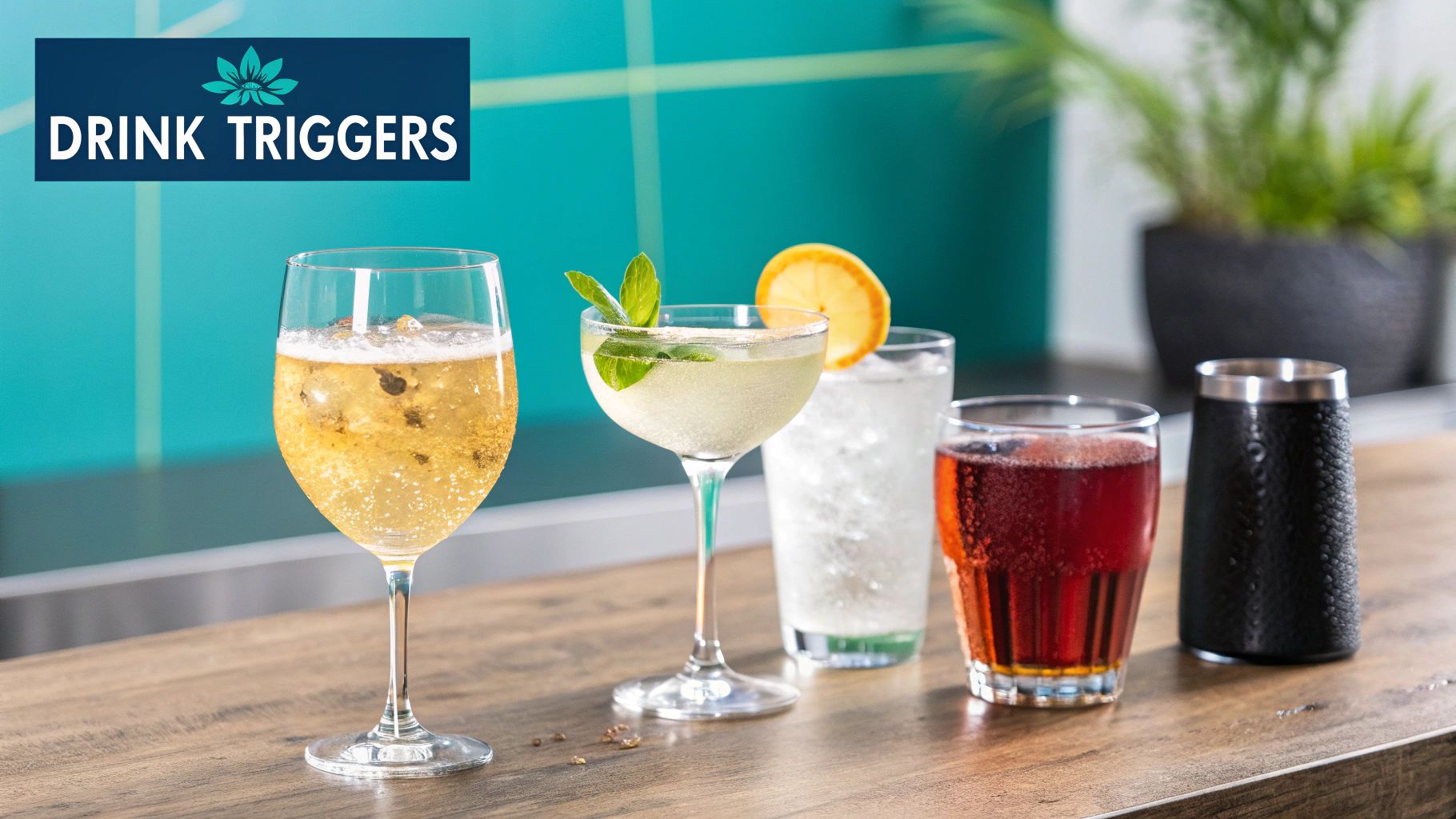
Drink Irritation Index: How Different Drinks Affect Your Stomach
To make it easier to connect the dots between what you're drinking and how you're feeling, think of it like a "drink irritation index." Some drinks are just naturally harder on your system than others.
| Drink Type | Primary Irritants | Potential Stomach Impact |
|---|---|---|
| Beer & Seltzers | Carbonation (CO2 Gas) | Bloating, gas, pressure, and potential acid reflux from stomach expansion. |
| Wine | High Acidity, Sulfites | Heartburn, burning sensation, and irritation of the stomach lining. |
| Dark Liquors | Congeners | Nausea, stomach pain, and general inflammation as the body processes them. |
| Clear Liquors | Low Congeners | Generally easier on the stomach, but alcohol content is still an irritant. |
| Sugary Cocktails | High Sugar, Acidity | Gas, bloating, cramps, and diarrhea from gut bacteria disruption. |
This isn't a hard-and-fast rule, as everyone's body is different. But it's a great starting point for identifying which drinks might be giving you the most grief.
H3: Carbonation Culprits: Beer and Seltzers
That satisfying fizz in beer, hard seltzers, and sparkling wine? That's just carbon dioxide gas. While it makes a drink feel light and refreshing, you're essentially swallowing a bunch of extra air that goes straight into your digestive system.
This extra gas can make your stomach expand like a balloon, leading to that all-too-familiar feeling of bloating, pressure, and discomfort. For some of us, that physical stretching of the stomach wall is enough to trigger acid reflux, pushing acid back where it doesn't belong and causing heartburn.
H3: The Acidity Factor in Wine and Mixers
Wine, especially white wine, and many common cocktail mixers (think lime, lemon, or grapefruit juice) are super acidic. When you drink them, you're pouring more acid into a stomach where alcohol is already kicking acid production into high gear.
This one-two punch of acidity is why so many people get a burning sensation or sharp pains after a glass of wine or a citrus-heavy cocktail. It directly aggravates the stomach lining.
Think of it like pouring lemon juice on a small cut—it stings because the tissue is already sensitive. That’s pretty much what highly acidic drinks do to an alcohol-irritated stomach lining.
H3: Dark Liquors and Their Hidden Irritants
Dark liquors like whiskey, brandy, and aged rum get their deep color and complex flavors from something called congeners. These are just chemical byproducts from the fermentation and aging process.
The problem is, higher levels of congeners are strongly linked to nastier hangovers, including stomach pain and nausea. Your body has to work overtime to break them down, which can ramp up inflammation. This is why a lot of people find that clear liquors like vodka or gin, which have very few congeners, are much gentler on their stomachs.
H3: Sugary Cocktails and Gut Disruption
Those delicious sweet cocktails, from margaritas to piña coladas, are often loaded with sugar. A big sugar hit can throw your gut microbiome completely out of whack by feeding the "bad" bacteria in your intestines.
This can trigger a whole host of digestive problems:
- Increased Gas and Bloating: As the bacteria feast on all that sugar, they produce gas, leaving you feeling puffy and uncomfortable.
- Stomach Cramping: The disruption can sometimes lead to painful cramps as your gut struggles to deal with the sugar bomb.
- Diarrhea: For some, a sudden rush of sugar pulls water into the intestines, which can lead to an unwelcome trip to the bathroom.
With the combination of sugar, acid, and alcohol, many popular mixed drinks are basically a triple threat to a sensitive stomach. By knowing what to look out for, you can start making smarter choices for a much more comfortable night.
When Alcohol Makes an Underlying Problem Worse
Sometimes, that stomach pain after a few drinks isn't just about simple irritation. For a lot of people, alcohol acts as a trigger, turning a quiet, manageable health issue into a full-blown, painful flare-up. If your stomach hurts badly and consistently every single time you drink, it could be a major red flag that alcohol is aggravating a pre-existing condition.
The symptoms might seem similar to a regular booze-induced bellyache, but the pain is often much more severe and stubborn when a chronic condition is in the mix. Think of your digestive system as a sensitive ecosystem. If you have a condition like Irritable Bowel Syndrome (IBS) or gastritis, that ecosystem is already pretty fragile. Alcohol is like an invasive species that comes in and throws the whole thing out of whack.
This isn't about self-diagnosing, but about becoming more aware of your body's signals. Recognizing these patterns is the first step to understanding what’s really going on and knowing when it’s time to chat with a doctor.
Irritable Bowel Syndrome (IBS) and Alcohol
Irritable Bowel Syndrome is a super common disorder that messes with the large intestine, leading to a not-so-fun mix of cramping, abdominal pain, bloating, gas, and either diarrhea or constipation. For anyone with IBS, alcohol is a notorious troublemaker that can send these symptoms into overdrive.
Here’s why it’s such a problem for the IBS crowd:
- It Hits the Fast-Forward Button: Alcohol can make things move through your gut way too quickly. This is a huge issue for anyone with diarrhea-predominant IBS (IBS-D).
- It Messes with Your Gut Bacteria: Your intestines are home to a delicate balance of bacteria that's essential for good digestion. Alcohol can disrupt this community, leading to a surge in gas and bloating.
- It’s a Straight-Up Irritant: Just like it irritates your stomach lining, alcohol does the same to your intestines—which, in people with IBS, are already hypersensitive.
If you have IBS, you might notice that even a single drink can lead to intense cramping and a sudden, urgent trip to the bathroom. That’s your body sending a crystal-clear signal that alcohol is aggravating your condition.
Inflammatory Bowel Disease (IBD)
Inflammatory Bowel Disease (IBD) is a much more serious issue involving chronic inflammation of the digestive tract. This umbrella term includes conditions like Crohn's disease and ulcerative colitis. Unlike IBS, IBD can cause actual physical damage to your intestines, and throwing alcohol into that environment can be particularly risky.
For someone with IBD, drinking can ramp up inflammation, leading to more intense pain and potentially triggering a full-on flare-up of the disease. In some cases, it can even interfere with how well medications work. This makes moderation and carefully tracking your symptoms absolutely non-negotiable. You might also be interested in learning about other reactions, such as those covered in our guide on what causes alcohol intolerance, which can sometimes have overlapping symptoms.
Gastritis and Peptic Ulcers
We’ve already touched on how alcohol can cause a temporary case of gastritis, but for some people, this inflammation can become a chronic, long-term problem. Chronic gastritis means your stomach lining is in a constant state of inflammation, leaving it incredibly vulnerable. Drinking with this condition is like pouring salt directly on an open wound—it causes immediate and sharp pain.
When chronic gastritis is present, the stomach's protective barrier is already compromised. Alcohol doesn't just irritate it—it actively damages the weakened tissue, preventing it from healing and potentially leading to more severe issues like peptic ulcers.
Peptic ulcers are painful open sores that form on the lining of your stomach or the upper part of your small intestine. They hurt a lot, and alcohol is one of the worst things you can expose them to. It not only cranks up the production of stomach acid, which eats away at the ulcer, but it can also slow down the healing process. If you’ve been diagnosed with an ulcer, staying away from alcohol is usually a critical part of your treatment plan.
How to Prevent Stomach Pain Before You Drink
The best way to handle stomach pain from alcohol is to stop it before it even starts. Sure, alcohol is a known irritant, but that doesn't mean you're completely at its mercy. With a few smart moves before and during your night out, you can give your stomach a fighting chance.
Think of it like getting ready for a big workout. You wouldn't just jump into a marathon without hydrating or stretching, right? The same logic applies here. Giving your gut a little support ahead of time can be the difference between a fun night and a morning full of regret.
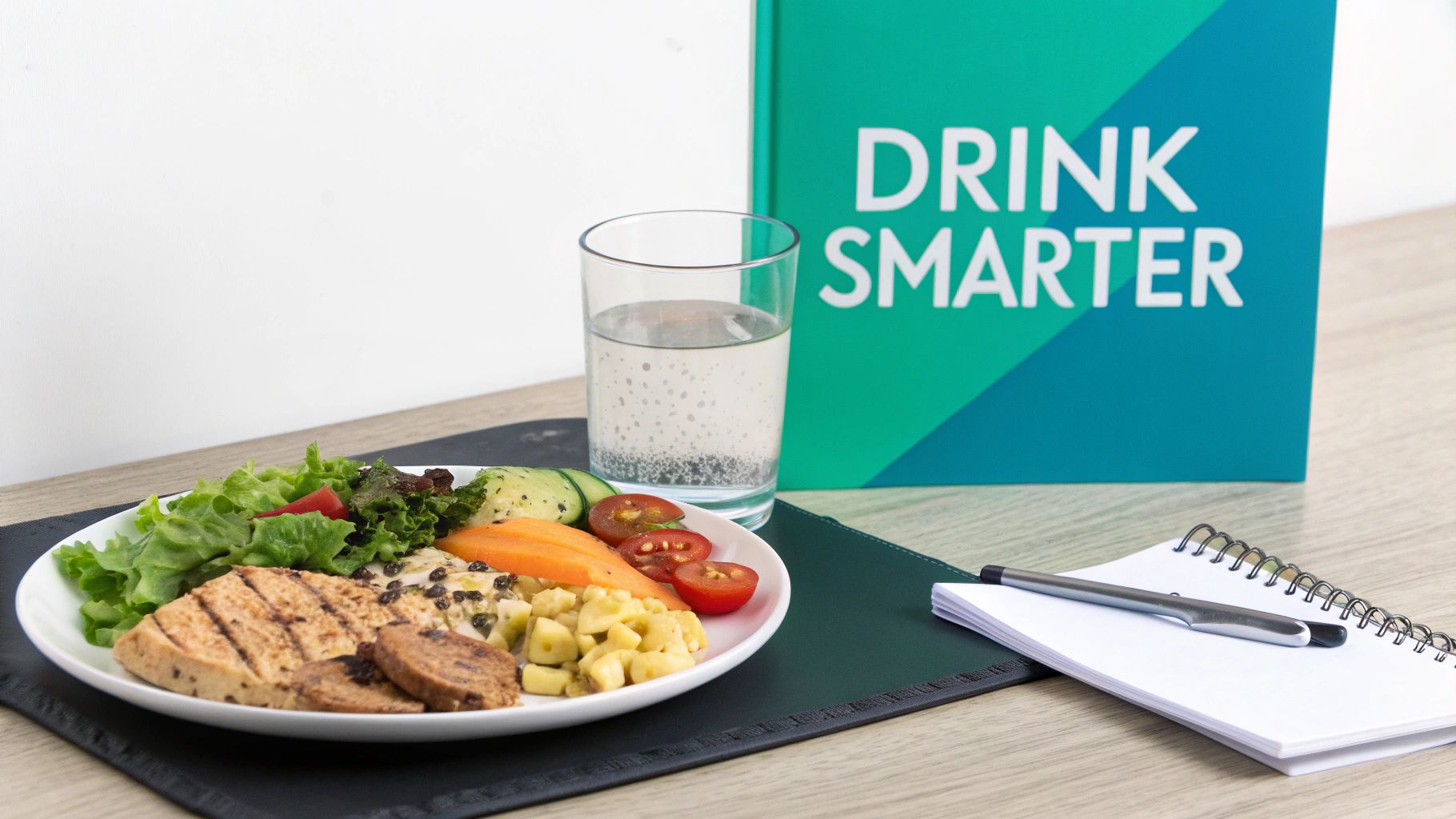
Fortify Your Stomach with the Right Meal
Drinking on an empty stomach is just asking for trouble. Without any food to act as a buffer, alcohol hits your bloodstream almost instantly, and its harsh effects are concentrated right on your sensitive stomach lining. This is why a pre-drinking meal isn't just a suggestion—it’s essential.
But not just any meal will do the trick. You want a balanced plate that slows down how quickly your body absorbs the alcohol. Aim for a solid meal built around these three key players:
- Complex Carbohydrates: Think brown rice, sweet potatoes, or whole-wheat pasta. These provide a slow-digesting base that helps soak up some of the alcohol.
- Healthy Fats: Avocado, nuts, or a drizzle of olive oil are your friends here. Fat slows down how fast your stomach empties, which in turn slows down alcohol absorption.
- Lean Protein: Chicken, fish, or beans help you feel full, which can naturally help you pace yourself throughout the night.
This combo creates a protective foundation, making sure the alcohol enters your system gradually instead of all at once. It's your first and most powerful line of defense.
Hydration Is Your Best Friend
Alcohol is a diuretic, which is a fancy way of saying it makes you pee more. This can lead to dehydration surprisingly fast. When you're dehydrated, the alcohol in your system becomes more concentrated, ramping up stomach irritation and setting the stage for a nasty hangover.
The fix is simple but incredibly effective: hydrate before, during, and after drinking. Start chugging water early in the day so you're already in a good spot before you even think about having a drink.
A great rule to live by is the "one-for-one" rule. For every alcoholic drink you have, chase it with a full glass of water. Not only does this keep you hydrated, but it also naturally slows down your drinking and dilutes the alcohol irritating your stomach.
This simple habit is a non-negotiable for drinking smarter and keeping your digestive system happy.
Choose Your Drinks Wisely and Pace Yourself
Like we've talked about, not all drinks are created equal. If you know your stomach is on the sensitive side, being strategic with your drink order can make a huge difference.
Try sticking to drinks that are generally a bit gentler. Clear liquors like vodka and gin have fewer congeners (byproducts of fermentation) than dark liquors, which often translates to less inflammation. Also, keep an eye on super sugary or acidic mixers—they can add another layer of irritation to the mix.
And finally, pacing is everything. Your body can only process about one standard drink per hour. Drink faster than that, and you’re just overwhelming the system. Slow down, sip your drink, and stick to that one-for-one water rule. You'll give your body the time it needs to do its job, saving your stomach lining a lot of grief in the process.
Finding Relief for an Aching Stomach
Even when you do everything right, sometimes that familiar stomach ache still shows up. When your stomach is sending out distress signals, having a gentle but effective game plan is the key to feeling better, fast.
The goal here is to soothe the irritation, not add more stress to an already overworked system. Your immediate focus should be on rehydrating and getting something easy to digest into your system. Think of your stomach lining like it's sunburned—you wouldn't rub it with sandpaper, right? You’d apply something gentle and cooling. It’s the exact same idea here.
Soothing Your Stomach: Gentle Remedies
When your gut is in turmoil, the simplest, most natural remedies are often the best. These options help calm things down and restore balance without overwhelming your digestive tract. The key is to start slow and listen to what your body is telling you.
Some of the best first moves include:
- Sipping Ginger or Peppermint Tea: These two are legendary for a reason. Ginger is a powerhouse anti-inflammatory that can ease nausea, while peppermint is great for relaxing stomach muscles to relieve cramping and that tight, knotted feeling.
- Rehydrating with Electrolytes: Alcohol is incredibly dehydrating and strips your body of essential fluids and minerals like potassium and sodium. Sipping on a low-sugar sports drink, some coconut water, or even a simple broth can help replenish these vital electrolytes way faster than water alone.
- Eating Bland Foods: Stick to the classics. Simple, easy-to-digest foods from the BRAT diet (Bananas, Rice, Applesauce, Toast) are your best friends right now. They're low in fiber and fat, so they won't cause any more drama while still giving you some much-needed energy.
The real secret is to be gentle. Don't chug a huge bottle of water or try to force down a big meal. Small, frequent sips and tiny bites are so much easier for a sensitive stomach to handle and can honestly make all the difference in how you feel.
If nausea is the main problem you're fighting, you might want to check out our guide on how to stop nausea from alcohol for more targeted tips.
What to Avoid When Your Stomach Hurts
Knowing what not to do is just as important as knowing what to do. Some of the most popular "cures" can actually pour gasoline on the inflammatory fire, making you feel a whole lot worse. Protecting your gut means steering clear of some common irritants.
Here’s what you should absolutely stay away from:
- Greasy or Fatty Foods: A big, greasy breakfast is the absolute last thing your stomach needs. Fat slows down digestion even more, which will just leave that heavy, uncomfortable feeling hanging around for hours.
- Caffeine and Acidic Drinks: Coffee, orange juice, and soda are all super acidic. They'll just aggravate your already inflamed stomach lining and make any burning sensation feel way more intense.
- The "Hair of the Dog": Having another drink might seem like a good idea for a few minutes, but it's only delaying the inevitable and causing more damage. It just restarts the whole cycle of irritation, acid production, and inflammation.
When to See a Doctor
Most of the time, stomach pain after a night out is just a temporary nuisance that gets better with a little self-care. But you need to know that some symptoms are red flags for something more serious that requires immediate medical attention. Do not ignore these warning signs.
Get medical help right away if you experience any of the following:
- Severe, persistent abdominal pain that just won't let up.
- Vomiting blood or something that looks like coffee grounds.
- Black, tarry, or bloody stools, as this can be a sign of internal bleeding.
- Inability to keep any liquids down for a long period of time.
- Signs of severe dehydration, like feeling dizzy, confused, or having a rapid heartbeat.
These symptoms could point to serious issues like gastrointestinal bleeding, severe gastritis, or pancreatitis. Knowing how to tell the difference between typical discomfort and a real medical emergency is crucial for your health.
Still Have Questions About Alcohol and Stomach Pain?
Even after getting the rundown on how alcohol affects your stomach, you might still have a few lingering questions. Let's tackle some of the most common ones head-on.
Why Does My Stomach Hurt After Just One Drink?
It seems unfair, right? But even a single drink can be enough to set off stomach pain for a few reasons. If you already have a sensitive stomach or an underlying issue like gastritis, that one drink is all it takes to cause immediate irritation and crank up acid production.
Another big factor is drinking on an empty stomach. When you do that, the alcohol makes direct, full-force contact with your stomach lining, leading to a much faster and harsher reaction. The type of drink matters, too—something highly acidic or fizzy can cause discomfort almost instantly.
The key takeaway here is that everyone's sensitivity level is different. For some people, the inflammatory process kicks off with the very first sip, making moderation and smart choices essential, even for light drinkers.
Can Drinking Alcohol Cause Long-Term Stomach Problems?
In a word, yes. While a little discomfort now and then is common, chronic or heavy drinking can lead to some serious long-term damage. What starts as simple irritation can eventually turn into chronic gastritis, painful peptic ulcers, and even a higher risk of stomach cancer.
And the damage doesn't stop at the stomach. It can also harm other crucial digestive organs, like the pancreas and liver, setting you up for more severe health issues down the line. The single best thing you can do for your long-term digestive health is to keep your alcohol intake in check.
Are There Supplements That Help Protect The Stomach?
While there's no magic pill that can completely erase alcohol's effects, some supplements might offer a little support. Probiotics, for example, can help maintain a healthy community of gut bacteria, which alcohol is known to disrupt.
Ingredients with soothing reputations, like ginger or licorice root, might also help calm an irritated stomach. That said, it's absolutely crucial to consult a healthcare professional before you start taking any new supplement. This is especially true if you have any pre-existing health conditions or are on other medications. Always go with professional medical advice over trying to figure it out on your own.
When you want to enjoy your night without worrying about the morning after, preparation is key. Upside offers an innovative, on-the-go jelly stick packed with natural ingredients to support your body's recovery process. It’s the simple, delicious way to help you live more.
Ready to make your next night out a better one? Visit https://enjoyupside.com to learn more.
#upside #enjoyupside #upsidejelly #livemore #hangovercure #hangoverprevention #fighthangovers #preventhangovers #HangoverRelief #MorningAfter #PartySmarter #HydrationStation #WellnessVibes #RecoverFaster #NoMoreHangovers #HealthyParty #HangoverHacks #FeelGoodMorning #NightlifeEssentials #HangoverFree #SupplementGoals #PostPartyPrep #GoodVibesOnly #HealthAndParty #HangoverHelper #UpsideToPartying