

· By Annemarie
Stomach hurts after drinking: Causes, Relief, and Prevention
If your stomach is killing you after a night of drinking, it's usually because alcohol has directly irritated your stomach lining while ramping up acid production. That inflammation, cramping, and general awfulness? It’s basically your stomach waving a giant red flag, telling you it’s had enough.
Your Quick Guide to Post-Drink Stomach Pain
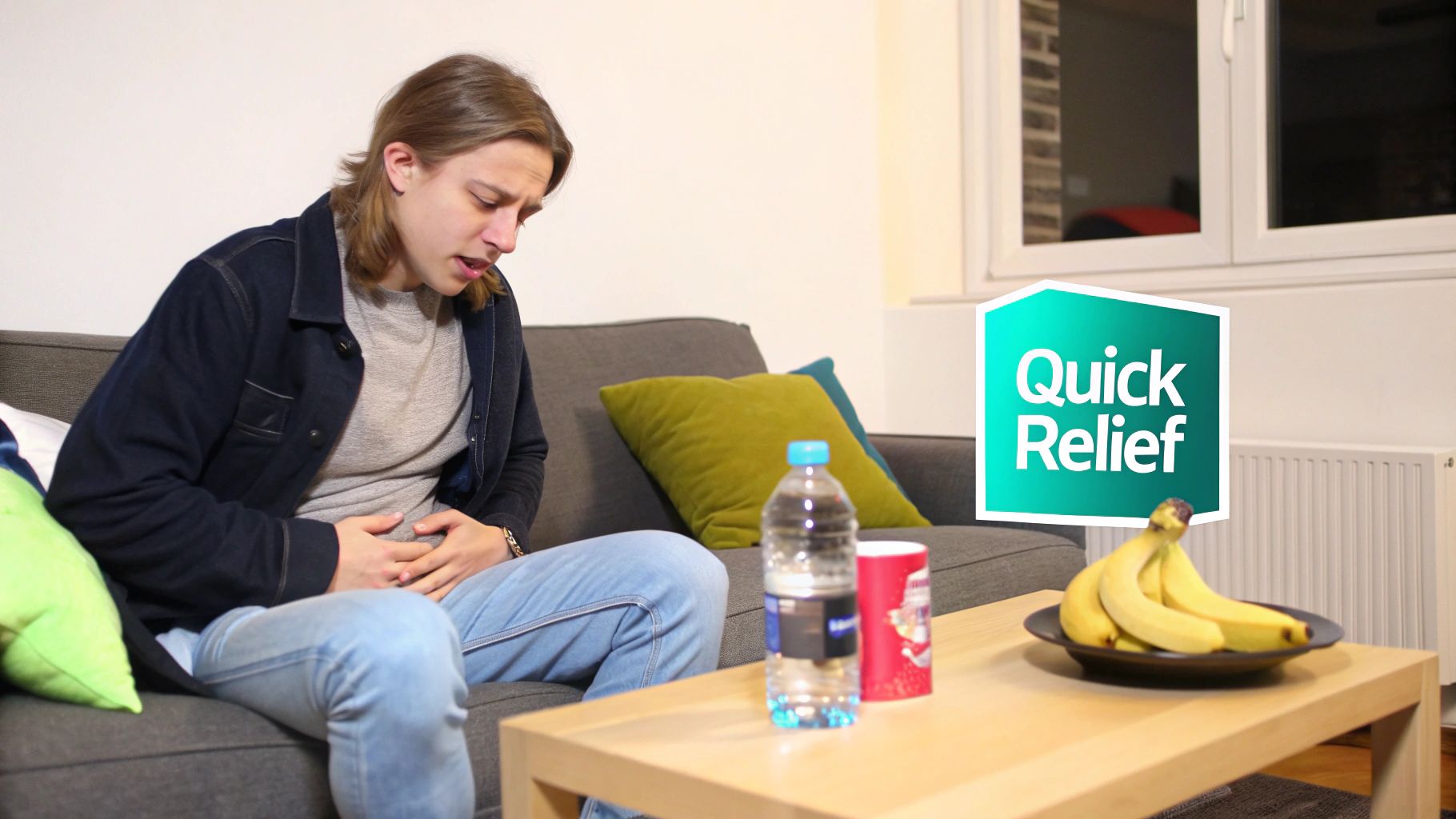
Waking up to a throbbing, angry stomach is an experience most of us would rather forget. But that sharp, burning, or cramping pain isn't just some random hangover symptom—it's a direct signal from your digestive system that it’s struggling to process last night's fun.
Getting a handle on why this happens is the first real step toward feeling better and making sure it doesn't happen again.
Think of this as your first-aid manual for post-party recovery. We're going to cut right to the chase and give you a clear snapshot of what’s really going on in there. The goal is to give you immediate, useful insights before we dive deeper into the science of it all.
The Main Culprits Behind the Pain
When you take a sip of alcohol, a few things kick off inside your stomach that can lead to some serious discomfort. Alcohol is a well-known irritant, and it doesn't play nicely with the delicate lining of your gut. This can trigger a condition called acute alcoholic gastritis—which is really just a fancy way of saying your stomach lining is inflamed and angry.
On top of that, alcohol tricks your stomach into pumping out more acid than it needs. This acidic overload creates that familiar burning sensation, a lot like heartburn. To make matters worse, booze can also slow down the whole digestion process, meaning food and drinks hang around in your stomach for way too long, leading to that bloated, nauseous feeling.
Let's break down the key players:
- Increased Stomach Acid: Alcohol hits the "on" switch for acid production, turning your stomach into a hostile environment that irritates its own lining.
- Direct Irritation: Think of it like scrubbing a sensitive surface with sandpaper. Alcohol physically aggravates the stomach wall, causing inflammation and pain.
- Delayed Digestion: Alcohol can hit the brakes on the muscle contractions that push food through your system, leaving you feeling bloated and heavy.
When your stomach hurts after drinking, you're not imagining it. That pain is your body's direct response to all this internal chaos. Figuring out these triggers is key to making smarter choices next time you're out, so you can protect your gut without having to totally give up your social life.
Being proactive helps, too. Using supportive supplements like Upside's jelly sticks can give your body a hand in managing alcohol's effects, helping you enjoy yourself without paying for it the next morning.
Decoding Why Alcohol Triggers Stomach Pain
Ever wonder what’s actually happening inside your gut when that dull ache or sharp pain kicks in after a few drinks? It’s not just some random “hangover” symptom. It's a series of specific, predictable biological reactions.
Understanding this process is the first step toward actually managing—and preventing—that awful feeling when your stomach hurts after drinking.
Think of your stomach lining like a soft, delicate piece of velvet. Now, imagine scrubbing it with sandpaper. That’s pretty much what alcohol is doing in there. Its chemical properties make it a direct irritant, stripping away the protective mucus layer and inflaming the sensitive tissue underneath.
This irritation can lead to a condition known as alcoholic gastritis. That’s just the technical term for when your stomach lining gets red, swollen, and angry from alcohol exposure. Even one night of heavy drinking can be enough to trigger a temporary, or acute, case.
The Acid Overload Problem
On top of the physical irritation, alcohol also acts like a mischievous factory manager in your stomach. It signals the cells in your stomach lining to crank up the production of gastric acid. While you need this acid to break down food, too much of it creates a hostile, super-acidic environment.
This acid surge is a big reason you might feel that fiery, burning sensation—a lot like heartburn. Your stomach’s natural defenses get overwhelmed, and the extra acid starts to eat away at the already-inflamed lining. It's the perfect storm of irritation and acidity.
"When alcohol enters the stomach, it essentially tells the acid-producing pumps to work overtime. This acid, combined with the direct irritation from the alcohol itself, creates an environment ripe for pain, inflammation, and digestive distress."
Your Digestive System Hits the Brakes
There's one more key factor: alcohol's effect on gastric motility. That's the coordinated muscle contractions that move food through your digestive tract.
Alcohol is a depressant, which means it slows those contractions way down. So, whatever is in your stomach—whether it's food or the drinks themselves—ends up sitting there for much longer than it should.
This delay is what leads to that heavy, bloated, and sometimes nauseous feeling. The trapped contents can start to ferment, producing gas and creating pressure that just adds to the discomfort. To make matters worse, the dehydration that comes with drinking slows things down even more. You can dive deeper into how alcohol causes dehydration in our detailed guide on the topic.
#upside #enjoyupside #upsidejelly #livemore #hangovercure #hangoverprevention #fighthangovers #preventhangovers #HangoverRelief #MorningAfter #PartySmarter #HydrationStation #WellnessVibes #RecoverFaster #NoMoreHangovers #HealthyParty #HangoverHacks #FeelGoodMorning #NightlifeEssentials #HangoverFree #SupplementGoals #PostPartyPrep #GoodVibesOnly #HealthAndParty #HangoverHelper #UpsideToPartying
Research shows that motility disorders in people with alcohol-related health issues can lead to abdominal pain in up to 50% of those with early liver damage and a staggering 30-80% of those with advanced alcoholic hepatitis. It’s a clear sign that the digestive system is under serious stress.
Finding the Culprits Behind Your Discomfort
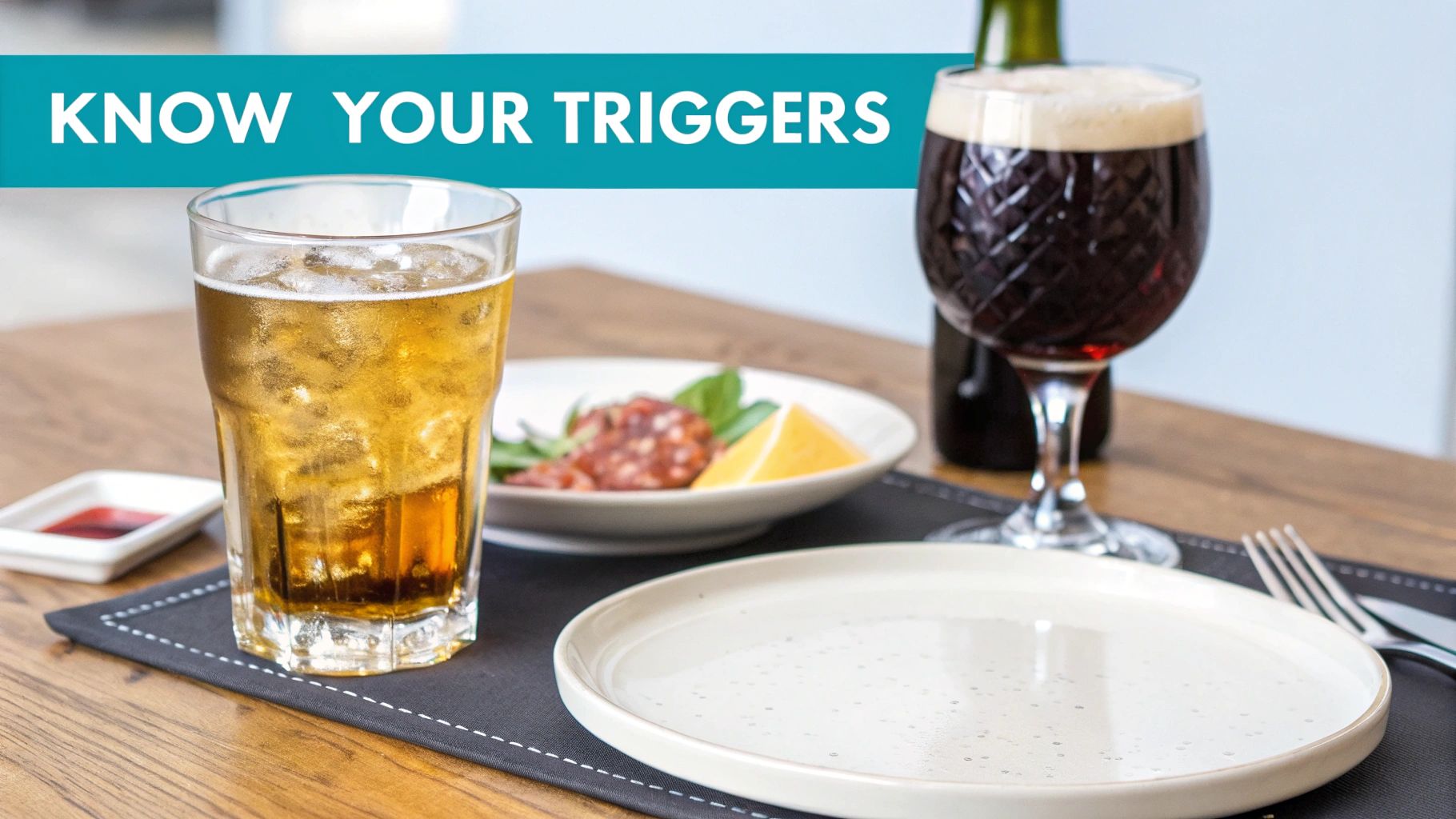
Sure, any alcohol can give your stomach a hard time, but certain factors can escalate that mild irritation into full-blown pain. Figuring out what your specific triggers are is the first step to understanding why your stomach hurts and, more importantly, stopping it from happening again.
Not all drinks are created equal, and neither are all drinking situations. The choices you make before you even take that first sip can make a huge difference in how you feel the next day. Once you can pinpoint the common culprits, you can start making smarter choices that protect your gut without killing your social life.
The Role of Different Alcohol Types
The kind of drink in your hand plays a massive role in how your stomach is going to react. Some drinks are just naturally tougher on your digestive system because of what's in them.
-
Sugary and Carbonated Drinks: Those sweet cocktails and fizzy drinks like beer and champagne? They can be double trouble. Sugar can ferment in your gut, leading to that lovely bloated, gassy feeling. Meanwhile, all that carbonation increases stomach pressure, which can make acid reflux feel so much worse.
-
Dark Liquors and Red Wine: Darker spirits like whiskey and rum, along with red wine, are packed with something called congeners. These are just byproducts from the fermentation process that give the drinks their color and flavor. The downside is that they're notoriously hard for your body to process and are known to make stomach irritation more intense.
On the flip side, clear liquors like vodka and gin have fewer congeners, which can make them a slightly gentler choice for some people.
Drinking on an Empty Stomach
This is probably the most common mistake in the book. Think of food as a protective buffer for your stomach lining. When you have a solid meal before you start drinking, that food helps dilute the alcohol and slows down how quickly it gets absorbed.
An empty stomach is like giving alcohol a direct, VIP pass to your stomach lining. It speeds up irritation, cranks up acid production, and makes inflammation and pain way more likely.
Eating a balanced meal with protein, fats, and carbs before you head out is one of the single most effective things you can do. Something like chicken, avocado, or even just some whole-grain crackers can act like a sponge, soaking up some of the alcohol and minimizing its harsh impact.
Uncovering a Potential Intolerance
Sometimes, the problem isn't just the booze—it's you. Or more specifically, an underlying intolerance. Alcohol intolerance is a genetic thing where your body just can't break down alcohol properly, leading to some pretty immediate and nasty reactions.
This isn't just a bad hangover. The symptoms are different and can include things like:
- Red, flushed skin and hives
- A stuffy nose
- Nausea and vomiting
- A racing heart
It's not an allergy, but a metabolic issue. Your system is missing the enzymes it needs to deal with alcohol's toxins. If you constantly get these symptoms whenever you drink, it might be time to consider if an intolerance is the real problem.
At-Home Remedies for Fast and Effective Relief
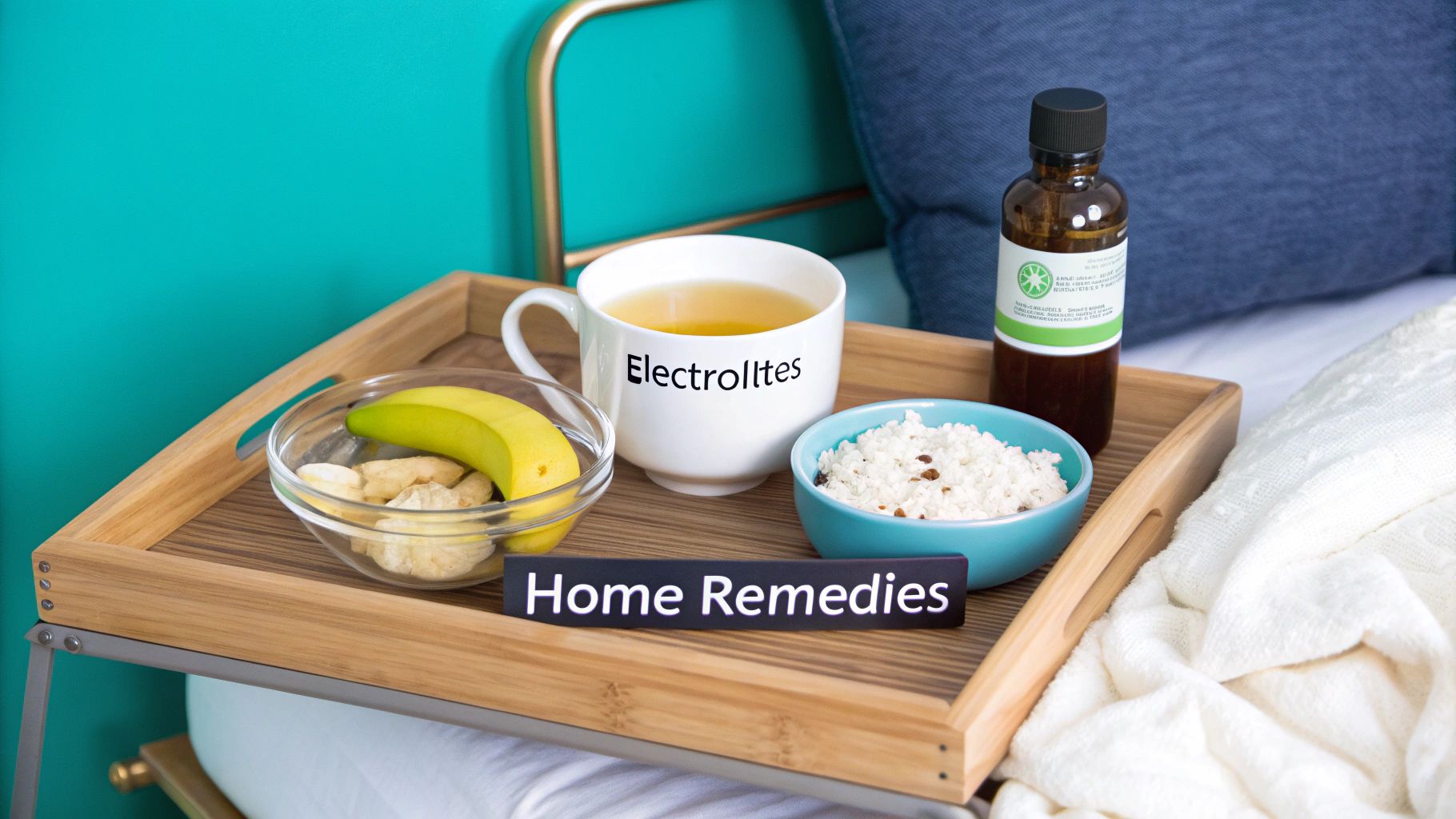
When your stomach is screaming at you after a night out, the only thing on your mind is getting relief, and fast. The good news is you don’t need some complicated, scientific formula to start feeling better. A few gentle, effective remedies are probably already in your kitchen.
The game plan is simple: rebalance your system without making things worse. That means focusing on smart hydration, eating the right things, and using a few natural soothers to calm down the post-alcohol chaos in your gut.
Let’s walk through the toolkit you need for a quick recovery.
Rehydrate the Right Way
A huge reason your stomach feels so terrible is dehydration. Alcohol is a diuretic, which is just a fancy way of saying it makes you pee out fluids and a bunch of essential minerals your body needs to function. Just chugging plain water isn't always enough to get you back to 100%.
To really rehydrate effectively, you need to bring your electrolytes back online. These are the minerals—like sodium, potassium, and magnesium—that keep your nerves and muscles working correctly.
- Electrolyte Drinks: Think sports drinks, coconut water, or even those rehydration packets. They restore your mineral balance way faster than plain water can.
- Broth: A warm cup of bone broth or even a simple vegetable broth feels amazing on an upset stomach and gives you both fluids and sodium.
Think of it like this: plain water fills up the gas tank, but electrolytes are the oil and other essential fluids that actually make the engine run smoothly again.
Choose Gentle, Stomach-Soothing Foods
The absolute last thing your irritated stomach wants is a heavy, greasy burger. Give your digestive system a break by sticking to bland, easy-to-digest foods.
It’s like choosing a smooth, freshly paved road instead of a bumpy dirt trail for your stomach to navigate. You want to give it fuel, not more work.
For a deeper dive into what to do when that wave of nausea hits, explore our guide on how to stop nausea from alcohol. It's packed with extra tips to help you feel human again.
Harness Natural Digestive Aids
Some natural remedies have been go-to solutions for upset stomachs for generations, and for good reason. They contain compounds that are fantastic at reducing nausea, easing those gut-wrenching cramps, and calming inflammation.
- Ginger: This stuff is a powerhouse against nausea. You can sip it in a tea, blend it into a smoothie, or even chew on a tiny raw piece if you’re brave.
- Peppermint: This herb is great for relaxing the muscles in your stomach, which can help with cramps and bloating. A warm mug of peppermint tea is a classic fix.
- Chamomile: Known for its calming vibes, chamomile tea can also help reduce inflammation in your stomach lining and just generally ease discomfort.
By combining smart rehydration, gentle foods, and these natural soothers, you’ve got a simple but powerful recovery plan. These at-home remedies tackle the root causes of your stomach pain, helping you find relief without ever having to leave the house.
How to Prevent Stomach Pain Before It Starts
Look, the best way to deal with a painful stomach after a night out is to make sure it never happens in the first place. Instead of just reacting to the damage the next morning, a little proactive thinking can fortify your body and turn a potentially rough day into just another day.
Taking a few simple, strategic steps before you even head out the door can make all the difference. Think of it as putting up a defensive shield for your stomach lining. This isn't about limiting your fun; it’s about prepping your system so you can actually enjoy your social life without the painful consequences.
Your Pre-Party Checklist
Setting yourself up for success is surprisingly easy. Before you even think about that first sip, focus on giving your body the right fuel and support. This simple checklist can help you stay way ahead of any discomfort.
- Eat a Balanced Meal: Seriously, never drink on an empty stomach. A solid meal full of protein, healthy fats, and complex carbs acts like a protective buffer. It slows down how fast your body absorbs the alcohol, giving your stomach and liver more time to process everything without getting totally overwhelmed. For some great ideas, check out our guide on what to eat before drinking alcohol.
#upside #enjoyupside #upsidejelly #livemore #hangovercure #hangoverprevention #fighthangovers #preventhangovers #HangoverRelief #MorningAfter #PartySmarter #HydrationStation #WellnessVibes #RecoverFaster #NoMoreHangovers #HealthyParty #HangoverHacks #FeelGoodMorning #NightlifeEssentials #HangoverFree #SupplementGoals #PostPartyPrep #GoodVibesOnly #HealthAndParty #HangoverHelper #UpsideToPartying
-
Hydrate Early and Often: Start chugging water hours before you plan to drink. Keep it going by alternating each alcoholic drink with a full glass of water. It’s a simple habit, but it works wonders against the dehydrating effects of alcohol that make stomach irritation so much worse.
-
Pace Yourself: Your body can only process about one standard drink per hour. When you go faster than that, you get a buildup of toxins that your stomach and liver just can't handle, leading to inflammation and pain. Slowing down is one of the easiest, most effective ways to keep your stomach from getting wrecked.
Fortify Your System with Smart Support
Beyond just food and water, you can give your body an extra layer of defense. This is where supportive supplements come in, designed to give your system the key nutrients it needs to handle alcohol's harsh effects.
Products like Upside Hangover Jelly are packed with liver-supporting ingredients and antioxidants. Taking one before you start drinking helps prep your body for what's coming, reinforcing your natural defenses against inflammation and oxidative stress. It’s a simple, tangible solution for people who want to feel their best without sacrificing their social life.
This proactive approach is a game-changer because of how alcohol messes with gastric motility—basically, its ability to slow down how quickly your stomach empties. Drinks with an alcohol concentration above 15% can really slam the brakes on digestion. This causes food and liquid to just sit in your stomach longer, leading to that awful bloating and pain. Research shows about 1 in 10 people experience abdominal pain after eating, and women report frequent GI issues at nearly twice the rate of men. You can learn more about these digestive responses from gastrointestinal health experts.
#upside #enjoyupside #upsidejelly #livemore #hangovercure #hangoverprevention #fighthangovers #preventhangovers #HangoverRelief #MorningAfter #PartySmarter #HydrationStation #WellnessVibes #RecoverFaster #NoMoreHangovers #HealthyParty #HangoverHacks #FeelGoodMorning #NightlifeEssentials #HangoverFree #SupplementGoals #PostPartyPrep #GoodVibesOnly #HealthAndParty #HangoverHelper #UpsideToPartying
When Your Stomach Pain Is a Red Flag

Look, a typical stomach ache after a night out is uncomfortable, but it's usually temporary. We've all been there. But it’s really important to know when that discomfort crosses the line from a standard hangover into a genuine medical red flag. Listening to your body and knowing the warning signs can make all the difference.
Most of the time, that post-drinking pain will fade away with some water and rest. Some symptoms, though, demand immediate attention. Think of these as your body’s emergency signals, screaming that something is wrong in a way that at-home remedies just can't fix. Ignoring them can lead to serious complications, so let's get clear on what to watch for.
Warning Signs You Should Never Ignore
If your stomach hurts after drinking and you notice any of the following, it’s time to seek medical care right away. These aren't just "bad hangover" symptoms; they can point to serious issues like internal bleeding, severe inflammation, or a nasty infection.
Here’s what to look out for:
- Severe, Unrelenting Pain: This isn't just a cramp. We’re talking about pain so intense it's hard to stand up straight or pain that just won't quit.
- Vomiting Blood: Any amount of blood is an emergency. It might look bright red or even dark, like coffee grounds.
- Black or Tarry Stools: This is a classic sign of bleeding in the upper gastrointestinal tract. The dark, sticky appearance is from digested blood.
- High Fever or Chills: A fever paired with stomach pain could mean you have an infection or serious inflammation that needs a doctor's help.
These symptoms are absolutely not part of a normal hangover. They can be indicators of serious conditions like severe alcoholic gastritis, gastrointestinal bleeding, or pancreatitis. When these red flags appear, self-care is no longer enough—professional medical evaluation is necessary.
Your Top Questions, Answered
When your stomach throws a fit after a few drinks, it's natural to have questions. You're not alone in wondering what's going on. Let's get straight to the point and tackle some of the most common things people ask about alcohol and stomach pain.
Can Just One Night of Drinking Cause Lasting Stomach Problems?
It's a great question. A single night of going a bit too hard can definitely trigger acute gastritis—a fancy term for temporary inflammation of your stomach lining. For most of us, this usually sorts itself out with a little time and TLC.
But here’s the thing: if you keep ignoring those warning signs and make heavy drinking a regular thing, those one-off episodes can snowball into chronic gastritis. That's a more serious, long-term inflammation that can open the door to bigger issues like ulcers. If you notice your stomach hurting almost every time you drink, that’s your body waving a big red flag. It's time to listen.
Does the Type of Alcohol I Drink Really Matter?
Absolutely. What’s in your glass can make a huge difference in how your stomach feels later. Some drinks are just tougher on your system than others.
- Drinks High in Congeners: Darker liquors like whiskey and red wine are packed with these chemical byproducts from the fermentation process. They're a major culprit behind inflammation and that next-day misery.
- Carbonated and Sugary Drinks: Think beer, champagne, and those super-sweet cocktails. They hit you with a double whammy. The fizz can increase pressure and bloating in your stomach, while all that sugar can ferment in your gut, leading to gas and discomfort.
As a general rule, clear liquors like vodka and gin have fewer of these irritants and might be a gentler choice. But remember, no matter what you're drinking, too much of any alcohol can still lead to pain.
How Do Products Like Upside Hangover Jelly Actually Help?
Think of it as giving your body a little backup before the party starts. Supportive products like Upside Hangover Jelly are packed with natural ingredients that help your system process alcohol more efficiently.
#upside #enjoyupside #upsidejelly #livemore #hangovercure #hangoverprevention #fighthangovers #preventhangovers #HangoverRelief #MorningAfter #PartySmarter #HydrationStation #WellnessVibes #RecoverFaster #NoMoreHangovers #HealthyParty #HangoverHacks #FeelGoodMorning #NightlifeEssentials #HangoverFree #SupplementGoals #PostPartyPrep #GoodVibesOnly #HealthAndParty #HangoverHelper #UpsideToPartying
They often combine antioxidants to calm inflammation, electrolytes to get your hydration back on track, and herbal extracts that are known to support your liver and soothe your digestive system.
By taking it before you start drinking, you're arming your body with the nutrients it needs to handle what's coming. It’s a proactive way to help fortify your system against alcohol's harsher side, aiming to stop the pain before it even has a chance to start.
Ready to enjoy your nights out without dreading the morning after? Upside is a smart, simple way to give your body the support it needs.
Try Upside Hangover Jelly and feel the difference for yourself.
#upside #enjoyupside #upsidejelly #livemore #hangovercure #hangoverprevention #fighthangovers #preventhangovers #HangoverRelief #MorningAfter #PartySmarter #HydrationStation #WellnessVibes #RecoverFaster #NoMoreHangovers #HealthyParty #HangoverHacks #FeelGoodMorning #NightlifeEssentials #HangoverFree #SupplementGoals #PostPartyPrep #GoodVibesOnly #HealthAndParty #HangoverHelper #UpsideToPartying