

· By Annemarie
10 Employee Wellness Program Ideas That Work in 2025
In today's competitive landscape, attracting and retaining top talent requires more than just a competitive salary. A truly supportive work environment prioritizes the holistic well-being of its people, from mental and physical health to financial security and social connection. Gone are the days when a weekly fruit delivery was considered a comprehensive wellness strategy. The most effective programs are targeted, data-informed, and deeply integrated into the company culture itself. Employees now expect and deserve support that addresses their diverse needs, whether they are in the office, working remotely, or on the front lines.
This guide moves past generic advice to provide a deep dive into ten impactful employee wellness program ideas designed to foster a healthier, happier, and more productive workforce. We are not just listing concepts; we are providing a blueprint for action. Inside, you will find practical steps for implementation, detailed success metrics to measure your ROI, and specific strategies tailored for different work environments like remote and hybrid teams. This resource is built for HR leaders, managers, and wellness champions who are ready to build a program that genuinely makes a difference.
We will cover a comprehensive range of topics, including:
- Mental Health and Mindfulness
- Physical Fitness and Activity Challenges
- Financial Wellness and Education
- Work-Life Balance and Flexible Arrangements
- Sleep and Recovery Programs
By exploring these targeted employee wellness program ideas, you can build a culture of well-being that not only boosts engagement and reduces burnout but also becomes a cornerstone of your employer brand. Let's move beyond the surface and create a workplace where every employee can truly thrive.
1. Mental Health and Mindfulness Programs
Mental Health and Mindfulness Programs are structured initiatives designed to give employees the tools to manage stress, anxiety, and other mental health challenges. These programs go beyond simply acknowledging mental health; they provide tangible resources such as guided meditation, stress management workshops, therapy sessions, and access to wellness apps. The core goal is to build resilience and improve overall psychological well-being, which directly impacts focus, productivity, and job satisfaction.
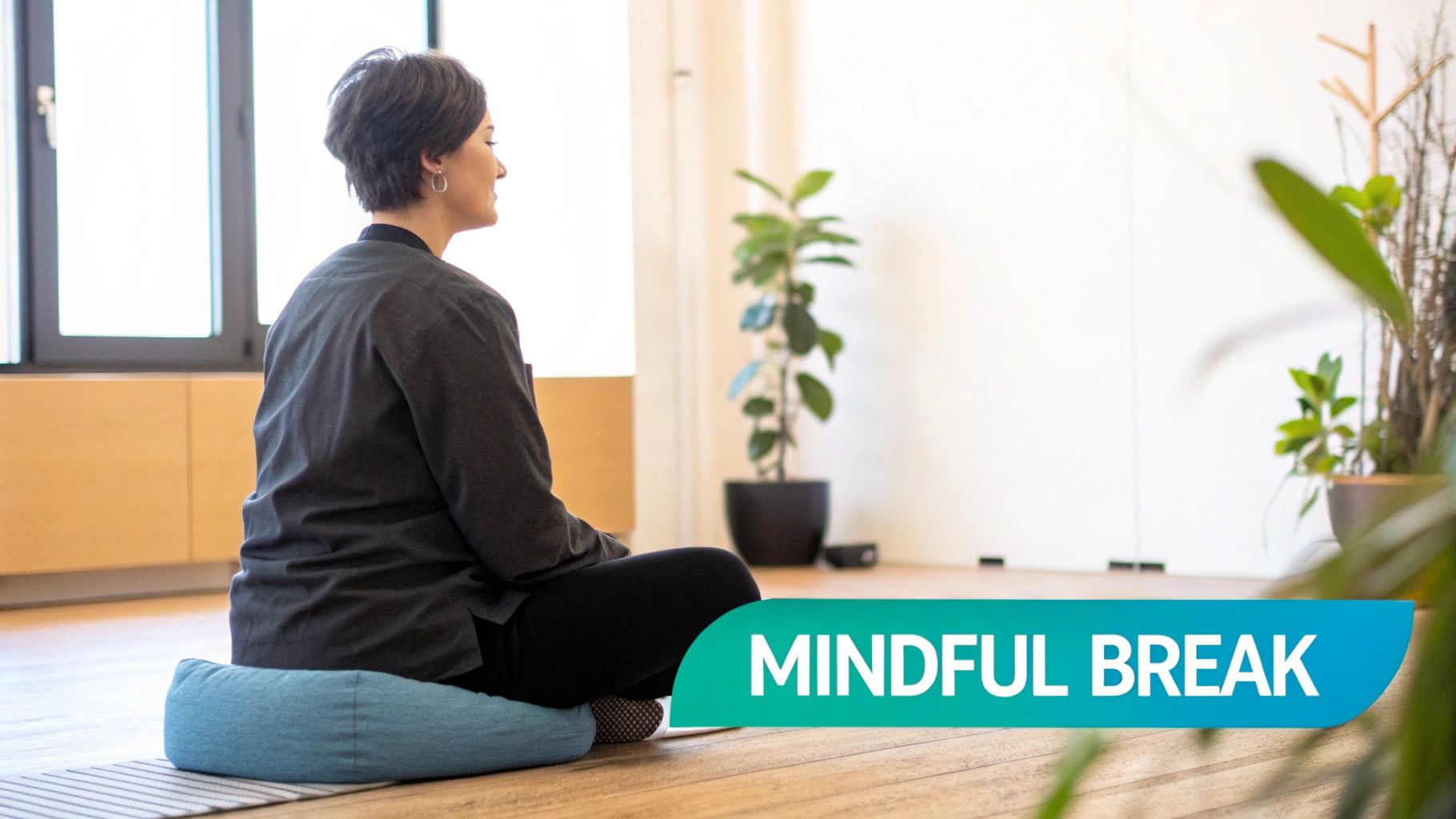
These initiatives are critical in today's fast-paced work environment where burnout is a significant concern. By proactively offering support, companies can create a culture that destigmatizes mental health and encourages employees to seek help when needed. A well-implemented program fosters a safer, more supportive atmosphere for everyone.
How to Implement This Program
- Start Small: Introduce accessible, low-commitment activities like 15-minute guided lunchtime meditation sessions. This allows employees to participate without feeling overwhelmed.
- Partner with Professionals: Collaborate with licensed therapists, mindfulness coaches, or established mental health platforms (like Headspace or Calm) to ensure the resources you provide are credible and effective.
- Guarantee Confidentiality: Emphasize that all participation, especially in one-on-one counseling or therapy sessions, is completely confidential. This is crucial for building trust and encouraging uptake.
- Integrate, Don't Isolate: Weave mental health into your company culture. Leadership should openly discuss its importance, and managers should be trained to recognize signs of burnout and support their teams.
Key Insight: The most successful employee wellness program ideas for mental health are not just add-ons; they are deeply embedded in the company's daily operations and values, from leadership communication to meeting structures.
Leading companies have demonstrated significant returns from these programs. For example, Google's "Search Inside Yourself" program combines mindfulness with emotional intelligence training, while Salesforce's "Mindfulness@Work" initiative helps employees manage stress. These examples showcase the powerful, positive impact of investing in employee mental wellness. The positive effects of these programs on enjoyupside.com often include reduced absenteeism and higher retention rates.
#upside #enjoyupside #upsidejelly #livemore #hangovercure #hangoverprevention #fighthangovers #preventhangovers #HangoverRelief #MorningAfter #PartySmarter #HydrationStation #WellnessVibes #RecoverFaster #NoMoreHangovers #HealthyParty #HangoverHacks #FeelGoodMorning #NightlifeEssentials #HangoverFree #SupplementGoals #PostPartyPrep #GoodVibesOnly #HealthAndParty #HangoverHelper #UpsideToPartying
2. Fitness and Physical Activity Programs
Fitness and Physical Activity Programs are comprehensive initiatives designed to encourage regular exercise and movement among employees. These programs can include subsidized gym memberships, on-site fitness classes, company-wide step challenges, or access to virtual workout platforms. The primary objective is to improve employees' physical health, boost energy levels, reduce stress, and foster a collective culture of wellness and vitality.
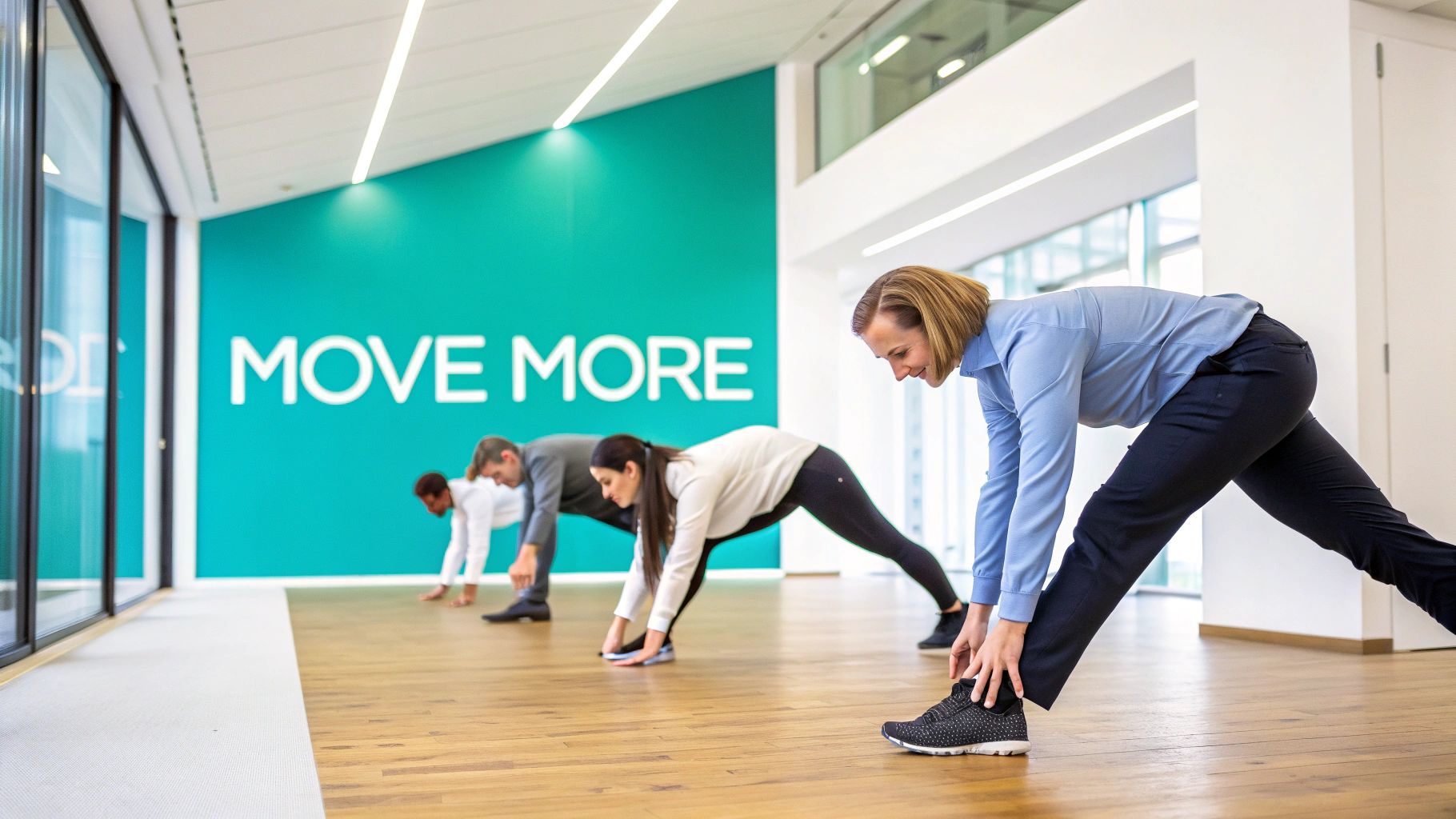
These initiatives are crucial for counteracting the sedentary nature of many modern jobs and promoting long-term health. By making fitness more accessible and engaging, companies can significantly reduce health-related absenteeism and create a more energetic, motivated, and connected workforce. A well-designed program shows a tangible investment in employee well-being.
How to Implement This Program
- Offer Variety and Flexibility: Provide a mix of options that cater to different fitness levels and preferences, such as yoga, HIIT, walking clubs, or cycling groups. Ensure schedules include morning, lunchtime, and evening activities to accommodate everyone.
- Gamify the Experience: Introduce friendly competition through team-based challenges, leaderboards, and rewards for milestones. This can boost engagement and make fitness feel more like a fun, social activity.
- Embrace Technology: Leverage fitness apps or provide wearable technology to help employees track their progress. Offer virtual classes and on-demand workouts to ensure remote and hybrid employees can participate fully.
- Partner for Success: Collaborate with local gyms, fitness studios, or corporate wellness platforms like Peloton or Les Mills to provide high-quality, professional resources at a reduced cost.
Key Insight: The best employee wellness program ideas for physical activity focus on accessibility and inclusion, removing barriers like cost, time, and location to ensure every employee has the opportunity to participate and improve their health.
Leading companies like Apple, with its extensive on-site wellness centers, and Patagonia, which encourages outdoor recreation during work hours, exemplify the powerful impact of these programs. These investments in physical wellness are central to their corporate identities. Exploring various corporate wellness solutions on enjoyupside.com can provide more ideas for creating a healthier, more active workplace.
#upside #enjoyupside #upsidejelly #livemore #hangovercure #hangoverprevention #fighthangovers #preventhangovers #HangoverRelief #MorningAfter #PartySmarter #HydrationStation #WellnessVibes #RecoverFaster #NoMoreHangovers #HealthyParty #HangoverHacks #FeelGoodMorning #NightlifeEssentials #HangoverFree #SupplementGoals #PostPartyPrep #GoodVibesOnly #HealthAndParty #HangoverHelper #UpsideToPartying
3. Nutrition and Healthy Eating Programs
Nutrition and Healthy Eating Programs are initiatives designed to empower employees with the knowledge and resources to make healthier dietary choices. These programs often include access to nutritious meals, educational workshops, one-on-one nutrition counseling, and healthy cooking classes. The primary goal is to improve employees' physical health by promoting balanced diets, which can boost energy levels, enhance cognitive function, and reduce the risk of chronic diseases.
These initiatives are fundamental because diet is directly linked to overall well-being and performance. By making healthy options convenient and accessible, companies can positively influence daily habits. A well-designed nutrition program demonstrates a company's commitment to employee health beyond the workplace, fostering a culture of holistic wellness.
How to Implement This Program
- Improve On-Site Food Options: If you have a cafeteria or snack bar, partner with a registered dietitian to revamp the menu. Clearly label items with nutritional information and ensure healthy choices are priced competitively with less healthy ones.
- Offer Educational Workshops: Host sessions on topics like mindful eating, meal prepping for a busy week, or understanding food labels. These can be led by nutrition experts and offered both in-person and virtually.
- Provide Healthy Snacks and Drinks: Stock break rooms with nutritious options like fresh fruit, nuts, yogurt, and infused water instead of sugary snacks and sodas. This is a simple but impactful change.
- Launch a Healthy Cooking Challenge: Encourage friendly competition with a cooking challenge where employees share healthy recipes and photos of their creations. Offer a wellness-related prize for the winner.
Key Insight: The most effective employee wellness program ideas for nutrition focus on education and accessibility. Making the healthy choice the easy choice removes barriers and empowers employees to build sustainable, positive habits.
Tech giants like Google have famously led the way with innovative cafeterias that offer gourmet, nutritionist-approved meals. Similarly, Whole Foods Market provides its employees with extensive nutrition education programs and discounts on healthy food. These examples show that investing in employee nutrition can create a more energized, focused, and healthy workforce. For more details on the benefits, a study highlighted on researchgate.net connects workplace nutrition directly to productivity.
#upside #enjoyupside #upsidejelly #livemore #hangovercure #hangoverprevention #fighthangovers #preventhangovers #HangoverRelief #MorningAfter #PartySmarter #HydrationStation #WellnessVibes #RecoverFaster #NoMoreHangovers #HealthyParty #HangoverHacks #FeelGoodMorning #NightlifeEssentials #HangoverFree #SupplementGoals #PostPartyPrep #GoodVibesOnly #HealthAndParty #HangoverHelper #UpsideToPartying
4. Work-Life Balance and Flexible Work Arrangements
Work-Life Balance and Flexible Work Arrangements are policies designed to give employees greater control over when, where, and how they work. These initiatives acknowledge that personal well-being is deeply connected to professional life by offering options like remote or hybrid work, compressed workweeks, and generous paid time off. The objective is to empower employees to manage their personal responsibilities without sacrificing professional performance, leading to reduced stress and higher engagement.
Implementing such programs shows employees they are trusted and valued as whole individuals, not just workers. This autonomy is a cornerstone of modern employee wellness program ideas because it directly addresses a primary source of burnout: a rigid and demanding schedule. By offering flexibility, companies can attract and retain top talent in a competitive market.
How to Implement This Program
- Establish Clear Policies: Define the parameters of your flexible work arrangements. Clearly outline expectations for communication, availability, and performance metrics to ensure everyone is on the same page.
- Focus on Outcomes: Shift the measure of success from hours clocked to results delivered. This encourages efficiency and empowers employees to work when they are most productive, not just during traditional 9-to-5 hours.
- Equip Your Team with the Right Tools: Invest in technology that facilitates seamless asynchronous communication and collaboration, such as Slack, Asana, or Microsoft Teams, to support remote and hybrid teams.
- Train Managers: Coach leadership on how to manage a flexible team effectively. This includes building trust, maintaining team cohesion, and conducting regular, meaningful check-ins that focus on support and progress.
Key Insight: True flexibility isn't just about location; it's about providing genuine autonomy over one's schedule. Successful programs trust employees to accomplish their work in a way that best suits their lives, fostering a culture of mutual respect and responsibility.
Industry leaders have long championed these models. For instance, Microsoft’s hybrid work policies and Basecamp’s four-day summer workweeks demonstrate a commitment to employee well-being. These examples prove that trusting employees with autonomy can yield impressive results in both productivity and morale. The benefits of a positive work-life balance on enjoyupside.com often correlate with decreased burnout and increased company loyalty.
#upside #enjoyupside #upsidejelly #livemore #hangovercure #hangoverprevention #fighthangovers #preventhangovers #HangoverRelief #MorningAfter #PartySmarter #HydrationStation #WellnessVibes #RecoverFaster #NoMoreHangovers #HealthyParty #HangoverHacks #FeelGoodMorning #NightlifeEssentials #HangoverFree #SupplementGoals #PostPartyPrep #GoodVibesOnly #HealthAndParty #HangoverHelper #UpsideToPartying
5. Health Screenings and Preventive Care Programs
Health Screenings and Preventive Care Programs are proactive initiatives designed to help employees understand and manage their health risks. These programs offer services like biometric screenings (measuring cholesterol, blood pressure, and glucose), health risk assessments (HRAs), on-site vaccinations, and seminars on disease prevention. The main objective is to empower employees with knowledge about their health status, enabling them to catch potential issues early and adopt healthier habits.
These programs are vital for creating a culture of prevention rather than reaction. By providing convenient access to these services at the workplace, companies can reduce barriers to care, lower long-term healthcare costs, and demonstrate a tangible investment in their team's well-being. This proactive approach not only improves physical health but also provides peace of mind.
How to Implement This Program
- Ensure Privacy and Compliance: Strictly adhere to HIPAA regulations to protect employee health information. Partner with a reputable third-party vendor to manage data and conduct screenings in a private, confidential setting.
- Offer Convenience: Schedule screenings on-site during work hours or provide vouchers for local clinics to maximize participation. The easier it is for employees to take part, the higher the engagement will be.
- Provide Professional Follow-Up: Arrange for healthcare professionals to be available to discuss results confidentially. This step is crucial for helping employees understand their data and create actionable, personalized wellness plans.
- Communicate the "Why": Clearly explain the benefits of participating. Emphasize that the goal is empowerment and prevention, not scrutiny. Use testimonials or aggregate, anonymized data to show the program's positive impact over time.
Key Insight: The value of health screenings lies in the follow-up. Providing clear, actionable steps and resources after the screening transforms data into meaningful, long-term health improvements for your employees.
Companies like Johnson & Johnson have long championed these employee wellness program ideas, integrating comprehensive health assessments into their corporate culture. Similarly, major corporations often partner with health systems like the Mayo Clinic to offer executive health screenings, underscoring the ROI of preventive care in maintaining a healthy, productive workforce. The Centers for Disease Control and Prevention (CDC) provides extensive resources on how workplace health programs can yield significant benefits.
#upside #enjoyupside #upsidejelly #livemore #hangovercure #hangoverprevention #fighthangovers #preventhangovers #HangoverRelief #MorningAfter #PartySmarter #HydrationStation #WellnessVibes #RecoverFaster #NoMoreHangovers #HealthyParty #HangoverHacks #FeelGoodMorning #NightlifeEssentials #HangoverFree #SupplementGoals #PostPartyPrep #GoodVibesOnly #HealthAndParty #HangoverHelper #UpsideToPartying
6. Stress Management and Resilience Training
Stress Management and Resilience Training programs are designed to equip employees with practical, actionable skills to cope with workplace pressures and personal challenges. Unlike general wellness perks, these structured initiatives focus on teaching specific techniques like cognitive reframing, emotional regulation, and problem-solving to build mental fortitude. The primary objective is to empower individuals to navigate adversity effectively, reducing the negative impacts of stress on their health, performance, and overall well-being.
These programs are essential for creating an agile and adaptive workforce capable of thriving in a dynamic business environment. By proactively teaching resilience, companies can mitigate the risks of burnout, improve team cohesion, and foster a culture of psychological safety where employees feel supported. This proactive approach helps transform stress from a debilitating force into a manageable challenge.
How to Implement This Program
- Assess Key Stressors: Begin by using anonymous surveys or focus groups to identify the specific sources of stress within your organization. This allows you to tailor the training content to address the most relevant issues.
- Teach Practical Techniques: Focus on tangible skills employees can apply immediately. Offer workshops on time management, conflict resolution, mindfulness-based stress reduction (MBSR), and positive psychology exercises.
- Offer Diverse Modalities: Provide training through various formats to maximize accessibility and engagement. Offer in-person workshops, live virtual sessions, self-paced e-learning modules, and one-on-one coaching.
- Create Peer Support Networks: Establish buddy systems or peer-led support groups where employees can share experiences and reinforce learned strategies in a safe, collaborative environment.
Key Insight: The most effective employee wellness program ideas for stress and resilience focus on skill-building rather than just awareness. Giving employees a toolkit of coping mechanisms provides a sustainable, long-term solution to managing workplace pressure.
Organizations like IBM and the U.S. Military have successfully implemented comprehensive resilience programs, demonstrating their value in high-pressure environments. By adopting similar strategies, companies can build a more robust and mentally agile workforce. For a deeper dive into specific strategies, you can explore a guide to work stress management techniques on enjoyupside.com to find what works best for your team.
#upside #enjoyupside #upsidejelly #livemore #hangovercure #hangoverprevention #fighthangovers #preventhangovers #HangoverRelief #MorningAfter #PartySmarter #HydrationStation #WellnessVibes #RecoverFaster #NoMoreHangovers #HealthyParty #HangoverHacks #FeelGoodMorning #NightlifeEssentials #HangoverFree #SupplementGoals #PostPartyPrep #GoodVibesOnly #HealthAndParty #HangoverHelper #UpsideToPartying
7. Smoking Cessation and Substance Abuse Programs
Smoking Cessation and Substance Abuse Programs are highly structured, supportive initiatives aimed at helping employees overcome addiction. These programs offer a compassionate and confidential pathway to recovery by providing resources like counseling, access to medical treatments, support groups, and educational materials. The primary objective is to empower employees to quit smoking or address substance dependency, which significantly improves their long-term health, reduces healthcare costs, and enhances their focus and presence at work.
These programs are vital because addiction directly impacts an employee's well-being and performance. By offering a non-judgmental support system, companies demonstrate a profound commitment to their employees' health, fostering deep loyalty and trust. A well-designed program creates a healthier, safer, and more productive environment for the entire workforce.
How to Implement This Program
- Partner with Certified Professionals: Collaborate with certified cessation counselors, licensed therapists, and organizations like the American Cancer Society or SAMHSA to ensure your program is credible, safe, and effective.
- Offer Multiple Pathways to Recovery: Recognize that recovery is not one-size-fits-all. Provide various options, including nicotine replacement therapies, medication, individual counseling, and peer support groups to meet diverse needs.
- Ensure Absolute Confidentiality: Communication must stress that participation is 100% confidential. This is the most critical element for encouraging employees to seek help without fear of stigma or professional repercussions.
- Provide Ongoing Support and Compassion: Frame the program around support, not punishment. Understand that relapses can be part of the recovery process and ensure continuous resources are available to help employees get back on track.
Key Insight: The foundation of a successful cessation or substance abuse program is unwavering confidentiality and a culture of empathy. When employees feel safe, they are far more likely to engage with the resources offered and commit to their recovery journey.
Leading health-focused organizations have long championed these types of employee wellness program ideas. For instance, CVS Health offers comprehensive resources to help its own employees and customers quit smoking, while Johnson & Johnson has established firm tobacco-free workplace policies. These initiatives prove that investing in an employee's journey to overcome addiction yields powerful returns in both human and business terms. According to the CDC, such programs can lead to a healthier, more present workforce.
#upside #enjoyupside #upsidejelly #livemore #hangovercure #hangoverprevention #fighthangovers #preventhangovers #HangoverRelief #MorningAfter #PartySmarter #HydrationStation #WellnessVibes #RecoverFaster #NoMoreHangovers #HealthyParty #HangoverHacks #FeelGoodMorning #NightlifeEssentials #HangoverFree #SupplementGoals #PostPartyPrep #GoodVibesOnly #HealthAndParty #HangoverHelper #UpsideToPartying
8. Financial Wellness and Education Programs
Financial Wellness and Education Programs are initiatives designed to alleviate employee financial stress by providing resources, tools, and counseling. These programs address topics like budgeting, debt management, retirement planning, and investing, recognizing that financial anxiety is a major contributor to poor mental and physical health. By offering practical support, employers empower their teams to gain control over their finances, which reduces distraction and enhances overall focus at work.
Implementing these programs shows that a company cares about the holistic well-being of its employees beyond the office walls. Financial stress can lead to absenteeism, lower productivity, and higher turnover. Proactively providing financial education helps create a more stable, secure, and loyal workforce.
How to Implement This Program
- Partner with Certified Experts: Collaborate with certified financial planners (CFPs) or reputable financial wellness platforms to ensure employees receive credible, unbiased advice. Avoid sales-oriented presentations.
- Offer Confidential Consultations: Financial matters are deeply personal. Provide access to confidential, one-on-one sessions where employees can discuss their specific situations without fear of judgment.
- Provide Diverse and Accessible Content: Create a library of resources catering to different financial literacy levels. Include workshops on budgeting for beginners, seminars on investment strategies for more advanced individuals, and tools for student loan repayment.
- Integrate with Existing Benefits: Clearly explain how company benefits like retirement matching, HSAs, and stock options fit into an employee's overall financial plan. This education maximizes the value and uptake of your benefits package.
Key Insight: The most effective financial wellness program ideas go beyond just retirement planning. They address immediate concerns like debt, budgeting, and emergency savings, making financial health an achievable goal for everyone, regardless of their income level.
Leading companies like PwC and Goldman Sachs have pioneered comprehensive financial wellness initiatives. These programs provide everything from student loan repayment assistance to personalized financial coaching. As detailed by a Forbes article on the rise of financial wellness programs, such investments lead to a more engaged and productive workforce.
#upside #enjoyupside #upsidejelly #livemore #hangovercure #hangoverprevention #fighthangovers #preventhangovers #HangoverRelief #MorningAfter #PartySmarter #HydrationStation #WellnessVibes #RecoverFaster #NoMoreHangovers #HealthyParty #HangoverHacks #FeelGoodMorning #NightlifeEssentials #HangoverFree #SupplementGoals #PostPartyPrep #GoodVibesOnly #HealthAndParty #HangoverHelper #UpsideToPartying
9. Social Connection and Community Building Programs
Social Connection and Community Building Programs are initiatives designed to foster meaningful relationships and a sense of belonging among employees. These programs facilitate interaction through group activities, volunteer opportunities, mentorship pairings, and social events. The primary objective is to combat loneliness and isolation, which can be prevalent in modern workplaces, especially with remote or hybrid models. Strong social bonds are directly linked to improved mental health, higher job satisfaction, and increased employee engagement.

These initiatives are vital for creating a positive company culture where employees feel seen, valued, and connected to their colleagues and the organization's mission. By intentionally creating spaces for connection, companies can enhance teamwork, improve communication, and build a resilient workforce. A strong community is a cornerstone of a supportive and thriving work environment.
How to Implement This Program
- Offer Diverse Activities: Cater to different personalities and interests by offering a mix of activities, such as book clubs, sports leagues, board game nights, and creative workshops.
- Support Employee-Led Groups: Empower employees to form their own affinity or Employee Resource Groups (ERGs) based on shared interests, backgrounds, or identities. Provide them with a budget and resources.
- Create Volunteer Opportunities: Organize group volunteer days or service projects tied to company values. This not only builds camaraderie but also connects employees to a greater purpose.
- Include Remote Employees: Ensure remote and hybrid team members can participate through virtual coffee chats, online team-building games, and virtual social events.
Key Insight: The most effective employee wellness program ideas for community building are those that are employee-driven and supported by leadership, creating an authentic sense of belonging rather than forced fun.
Companies like Google have perfected this model with their extensive Employee Resource Groups, while Patagonia strengthens bonds through its community and environmental volunteer initiatives. These examples show that investing in social connection yields powerful returns in both employee well-being and organizational strength. As discussed on enjoyupside.com, the benefits of a connected workforce include greater collaboration and innovation.
#upside #enjoyupside #upsidejelly #livemore #hangovercure #hangoverprevention #fighthangovers #preventhangovers #HangoverRelief #MorningAfter #PartySmarter #HydrationStation #WellnessVibes #RecoverFaster #NoMoreHangovers #HealthyParty #HangoverHacks #FeelGoodMorning #NightlifeEssentials #HangoverFree #SupplementGoals #PostPartyPrep #GoodVibesOnly #HealthAndParty #HangoverHelper #UpsideToPartying
10. Sleep Wellness and Recovery Programs
Sleep Wellness and Recovery Programs are initiatives designed to improve employee sleep quality and promote rest as a fundamental component of well-being. These programs address the pervasive issue of sleep deprivation, which directly harms cognitive function, emotional regulation, and physical health. They provide resources like sleep education workshops, access to sleep tracking technology, quiet rooms for napping, and policies that support healthy sleep habits. The primary goal is to combat fatigue and burnout, thereby boosting employee safety, productivity, and overall vitality.
In a culture that often glorifies overwork, prioritizing sleep is a powerful statement about a company's commitment to genuine employee health. By equipping staff with the knowledge and environment needed for proper rest, organizations can reduce accidents, decrease stress-related absenteeism, and enhance creative problem-solving. This focus on recovery builds a more sustainable and high-performing workforce.
How to Implement This Program
- Educate and Empower: Host workshops led by sleep experts like those from the National Sleep Foundation to teach the science of sleep, hygiene best practices, and the impact of rest on performance.
- Create Rest-Friendly Spaces: Designate a quiet room or install nap pods, as seen at companies like Google and Nike. Ensure these spaces are dark, quiet, and comfortable to encourage restorative breaks.
- Promote Flexible Schedules: Allow for scheduling flexibility that accommodates different chronotypes (early birds vs. night owls). This is one of the most effective employee wellness program ideas for respecting individual biological rhythms.
- Offer Sleep Support Tools: Provide access to sleep-tracking apps or devices and offer confidential assessments for common sleep disorders. Connect employees with professional resources when needed.
Key Insight: A successful sleep wellness program is built on both education and environmental support. It's not enough to tell employees to sleep more; the company culture must actively enable and respect the need for recovery.
Leading organizations recognize sleep as a competitive advantage. The NBA, for instance, has invested heavily in sleep science to maximize player performance and longevity. These high-stakes examples demonstrate that treating sleep as a critical pillar of wellness yields tangible returns in focus, resilience, and output. You can explore more on the benefits of holistic wellness on enjoyupside.com, where recovery is a key theme.
#upside #enjoyupside #upsidejelly #livemore #hangovercure #hangoverprevention #fighthangovers #preventhangovers #HangoverRelief #MorningAfter #PartySmarter #HydrationStation #WellnessVibes #RecoverFaster #NoMoreHangovers #HealthyParty #HangoverHacks #FeelGoodMorning #NightlifeEssentials #HangoverFree #SupplementGoals #PostPartyPrep #GoodVibesOnly #HealthAndParty #HangoverHelper #UpsideToPartying
Employee Wellness Programs: 10-Item Comparison
| Program | Implementation Complexity 🔄 | Resource Requirements ⚡ | Expected Outcomes 📊 | Ideal Use Cases 💡 | Key Advantages ⭐ |
|---|---|---|---|---|---|
| Mental Health and Mindfulness Programs | Medium — ongoing facilitators, confidentiality protocols | Moderate — licensed counselors, app subscriptions, training | Reduced burnout, improved focus, lower absenteeism 📊 | High-stress roles; organizations tackling retention and wellbeing | Improves mental health & retention; reduces stigma ⭐ |
| Fitness and Physical Activity Programs | High — facilities, scheduling, maintenance | High — capital for gyms, instructors, equipment ⚡ | Lower healthcare costs, increased energy and productivity 📊 | Large campuses; teams seeking improved physical health | Boosts morale, team cohesion; measurable fitness gains ⭐ |
| Nutrition and Healthy Eating Programs | Medium — menu planning, vendor management | Moderate — cafeteria ops, nutritionists, supply chain | Improved energy, weight management, reduced disease risk 📊 | Offices with onsite food services or subsidized meals | Supports long-term health; aligns with company values ⭐ |
| Work-Life Balance & Flexible Arrangements | Medium — policy design, manager training | Low–Moderate — remote tools, scheduling systems ⚡ | Higher satisfaction, reduced burnout, improved retention 📊 | Knowledge workers; hybrid/remote teams | Attracts talent; increases productivity and work satisfaction ⭐ |
| Health Screenings & Preventive Care Programs | Medium — healthcare coordination, compliance | Moderate — medical staff, screening equipment | Early detection, fewer ER visits, long-term cost savings 📊 | Organizations prioritizing preventive health; risk-prone workforces | Tangible health metrics and ROI through prevention ⭐ |
| Stress Management & Resilience Training | Medium — skilled trainers, varied delivery formats | Moderate — workshops, coaching, assessment tools | Improved coping, reduced anxiety and sick days 📊 | Teams facing chronic stress; leadership development | Builds resilience; provides practical, immediate tools ⭐ |
| Smoking Cessation & Substance Abuse Programs | Medium — privacy-sensitive, long-term follow-up | Moderate — counseling, medication coverage, incentives | Lower healthcare costs, improved lifespan, reduced absenteeism 📊 | Workforces with higher tobacco/substance use prevalence | High cost savings and life-changing employee support ⭐ |
| Financial Wellness & Education Programs | Low–Medium — curriculum & advisor coordination | Low–Moderate — financial advisors, software tools ⚡ | Reduced financial stress, better retirement readiness over time 📊 | Employees with debt/stress; firms focused on retention | Improves focus and long-term financial security ⭐ |
| Social Connection & Community Building Programs | Low — event coordination, ERG support | Low — volunteer budgets, facilitator time | Increased engagement, belonging, better collaboration 📊 | Hybrid/remote teams; companies prioritizing inclusion | Strengthens culture, belonging and employee engagement ⭐ |
| Sleep Wellness & Recovery Programs | Medium — space, policies, education efforts | Moderate — nap spaces, apps, screening resources | Improved alertness, fewer accidents, better performance 📊 | Shift workers, safety-sensitive roles, high-performance teams | Direct benefits to productivity, safety and recovery ⭐ |
Building a Culture of Wellness: Your Next Steps
The journey to creating a vibrant, supportive, and healthy workplace doesn't end with a list of ideas. It begins with a commitment to action. We've explored a comprehensive landscape of employee wellness program ideas, from enhancing mental resilience and promoting physical activity to fostering financial literacy and strengthening social bonds. The common thread weaving through all these concepts is a simple, powerful truth: investing in your employees' well-being is the most direct and impactful investment you can make in your organization's success. A thriving workforce is not an accident; it is the direct result of a thoughtfully designed and consistently nurtured culture of wellness.
Moving from inspiration to implementation can feel daunting, but it doesn't have to be. The key is to avoid a one-size-fits-all approach and instead embrace a strategy of listening, iterating, and personalizing. The most successful programs are those that reflect the genuine needs and desires of the people they are designed to serve. Rather than attempting to launch ten initiatives at once, focus on creating a strategic, sustainable roadmap that builds momentum over time.
From Ideas to Impact: Your Actionable Roadmap
The true value of any wellness initiative lies in its execution. To transform the concepts discussed in this article into tangible results, consider the following strategic steps:
- Gather Meaningful Feedback: Before you launch anything, listen. Deploy anonymous surveys or host focus groups to understand your employees' specific pain points and wellness priorities. Are they struggling more with stress management, financial anxiety, or a lack of physical activity? Let their answers be your guide.
- Start Small and Pilot a Program: Select one or two high-impact, low-complexity employee wellness program ideas that align with the feedback you received. For example, if stress is a major concern, you might pilot a series of mindfulness workshops or introduce a "meeting-free Friday" policy. A successful pilot builds confidence and generates crucial buy-in for future expansion.
- Define and Track Success: How will you know if your program is working? Establish clear Key Performance Indicators (KPIs) from the outset. These could include metrics like a reduction in sick days, an increase in employee engagement survey scores, or higher participation rates in wellness activities. Tracking these KPIs will allow you to demonstrate ROI and make data-driven decisions.
- Communicate with Intention: A program that nobody knows about cannot succeed. Develop a clear communication plan that builds excitement and educates employees on how to participate. Use multiple channels like email newsletters, team messaging platforms, and all-hands meetings to share updates, success stories, and upcoming events.
The Lasting Value of a People-First Approach
Ultimately, a wellness program is more than just a collection of perks. It is a powerful statement about your company's values. It signals that you see your employees not as resources to be managed, but as whole people whose health, happiness, and holistic well-being matter. This people-first philosophy becomes a cornerstone of your employer brand, helping you attract and retain top talent in a competitive market.
By championing initiatives that support mental, physical, financial, and social health, you create a positive feedback loop. Employees who feel cared for are more engaged, more productive, and more loyal. They become advocates for your company, driving innovation and fostering a collaborative environment where everyone can do their best work. The employee wellness program ideas shared here are your building blocks for constructing a resilient, energized, and deeply connected organizational culture. The next step is yours to take.
A key part of wellness is encouraging teams to connect and de-stress, but you also want to ensure they feel great the next day. Support your team's work-life balance by making social events smarter with Upside Hangover Sticks, the perfect, health-conscious perk for any company gathering. Show your employees you care about their full well-being by helping them #PartySmarter and stay productive. Upside Hangover Sticks