

· By Annemarie
The Top 10 Best Foods for Liver Health to Incorporate in 2026
Your liver is the unsung hero of your body, a resilient powerhouse tirelessly filtering toxins, processing nutrients, and keeping you energized. In a world of social gatherings, celebratory drinks, and demanding schedules, giving this vital organ the nutritional support it needs is more crucial than ever. This isn't just about damage control; it's about actively enhancing its function so you can work hard, play hard, and feel your best.
Think of this guide as the ultimate grocery list for liver resilience. We are moving beyond generic advice to provide a detailed roundup of the most effective, science-backed foods that protect, repair, and optimize your liver's performance. For each item, we'll break down the specific powerhouse nutrients, explain exactly how they work to combat the stress from daily life and alcohol consumption, and offer practical, actionable tips to seamlessly integrate them into your routine.
This proactive approach is essential for anyone leading a busy lifestyle, from social drinkers and nightlife enthusiasts to health-conscious professionals. Understanding the best foods for liver health is the first step toward building a stronger, more resilient you. By pairing this nutritional strategy with smart post-party solutions like those offered by Upside, you can create a powerful defense system. This ensures that enjoying a vibrant social life doesn't mean sacrificing your next day's well-being or long-term health. Let’s dive into the foods that will fuel your body's detox engine and help you thrive.
1. Milk Thistle
While not a food in the traditional sense, milk thistle is an herbal supplement so renowned for its liver-protective properties that it tops our list of the best foods for liver health. This flowering plant has been a cornerstone of traditional medicine for over 2,000 years, primarily due to its active compound, silymarin.
Silymarin is a powerful flavonoid with potent antioxidant and anti-inflammatory effects. It works by reinforcing the outer membranes of liver cells, which helps shield them from damage caused by toxins, free radicals, and alcohol. This makes it an invaluable tool for social drinkers and anyone looking to support their liver's natural detoxification pathways.
Why It's Essential for Liver Health
The liver-supporting benefits of milk thistle are well-documented. For instance, Germany’s Commission E, a scientific advisory board, has approved its use for liver support. It's even utilized in some European hospitals as a complementary treatment for certain liver conditions. Its primary function is to help protect liver cells from incoming damage while simultaneously stimulating the regeneration of healthy new cells.
Key Insight: Silymarin not only protects existing liver cells but also enhances protein synthesis within them, which is crucial for repairing damaged tissue and maintaining optimal function.
How to Incorporate Milk Thistle
For those looking to proactively manage their liver health, especially around social events, supplementing with milk thistle is a practical strategy.
- Optimal Dosage: Aim for 150-300mg of silymarin daily. It's important to look for standardized extracts that contain at least 80% silymarin to ensure you're getting a potent dose.
- Enhance Absorption: Take your milk thistle supplement with a meal that includes some healthy fats, as this can improve its bioavailability.
- Strategic Timing: If you anticipate a period of frequent social drinking, such as the holiday season or a vacation, consider starting supplementation a few weeks in advance to fortify your liver.
- Comprehensive Support: For a modern, convenient approach, pair milk thistle with other liver-supporting ingredients. Products like Upside Hangover Sticks combine it with other beneficial compounds for holistic support.
To explore this powerful herb further, you can dive deeper into the science behind milk thistle for liver health.
#upside #enjoyupside #upsidejelly #livemore #hangovercure #hangoverprevention #fighthangovers #preventhangovers #HangoverRelief #MorningAfter #PartySmarter #HydrationStation #WellnessVibes #RecoverFaster #NoMoreHangovers #HealthyParty #HangoverHacks #FeelGoodMorning #NightlifeEssentials #HangoverFree #SupplementGoals #PostPartyPrep #GoodVibesOnly #HealthAndParty #HangoverHelper #UpsideToPartying
2. Leafy Greens (Spinach, Kale, Arugula)
Leafy green vegetables are nutritional powerhouses and a cornerstone among the best foods for liver health. Selections like spinach, kale, and arugula are packed with chlorophyll, antioxidants, and essential vitamins that directly support the liver's detoxification processes. Their ability to neutralize heavy metals, chemicals, and pesticides makes them an indispensable part of any liver-conscious diet.
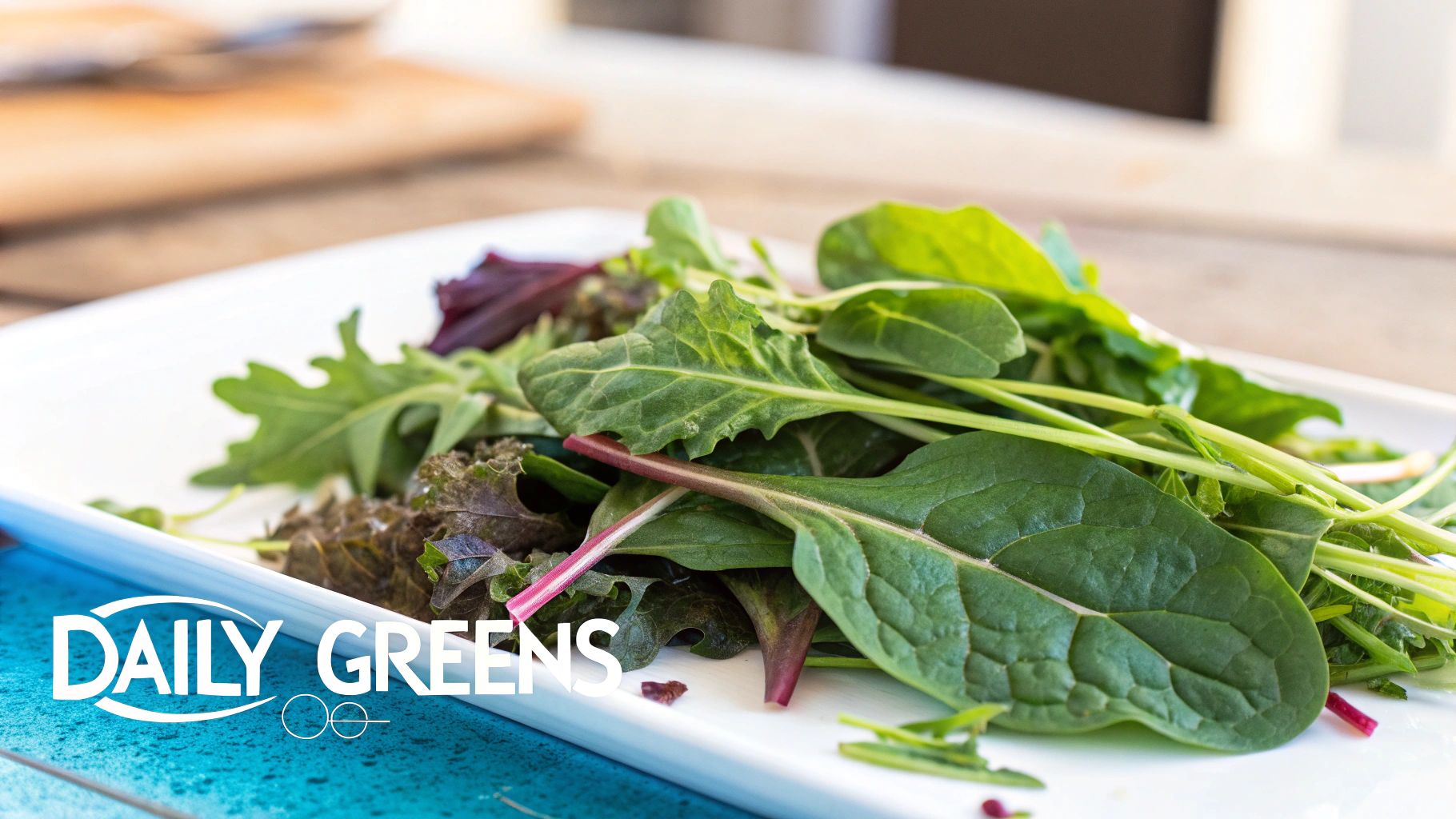
These vegetables are particularly rich in compounds that stimulate the production of glutathione, the body's master antioxidant. Glutathione is critical for Phase 2 liver detoxification, the crucial stage where the liver neutralizes and prepares harmful substances, including alcohol metabolites, for elimination. Regular consumption helps reduce the oxidative stress placed on your liver, especially during social events.
Why They're Essential for Liver Health
The connection between leafy greens and a healthy liver is well-established. For example, the Mediterranean diet, celebrated for its liver benefits, heavily features these greens. Clinical nutrition programs consistently recommend them as a foundational element for liver support protocols. Their high concentration of vitamins K and C, along with folate, helps protect against inflammation and cellular damage, maintaining the liver's overall resilience.
Key Insight: The chlorophyll in leafy greens has the unique ability to bind to toxins, preventing them from being absorbed into the bloodstream and lessening the detoxification load on the liver.
How to Incorporate Leafy Greens
Integrating these potent vegetables into your daily routine is simple and effective for maintaining long-term liver health, particularly for those with an active social life.
- Aim for Consistency: Strive to consume 1-2 cups of leafy greens daily. This consistent intake provides a steady supply of liver-supporting nutrients.
- Rotate Your Greens: Mix it up with spinach, kale, arugula, and other varieties. Each type offers a slightly different nutrient profile, maximizing the range of benefits.
- Preserve Nutrients: Enjoy raw greens in salads or lightly steamed to preserve heat-sensitive compounds like vitamin C and certain antioxidants.
- Boost Absorption: Pair your greens with a source of healthy fat, such as a drizzle of olive oil or some sliced avocado. This enhances the absorption of fat-soluble vitamins like Vitamin K.
- Holistic Support: For comprehensive defense during social occasions, use a foundation of daily greens alongside targeted support like Upside Hangover Sticks to ensure your liver is fully prepared.
You can learn more about how diet impacts your body’s recovery systems on our blog.
#upside #enjoyupside #upsidejelly #livemore #hangovercure #hangoverprevention #fighthangovers #preventhangovers #HangoverRelief #MorningAfter #PartySmarter #HydrationStation #WellnessVibes #RecoverFaster #NoMoreHangovers #HealthyParty #HangoverHacks #FeelGoodMorning #NightlifeEssentials #HangoverFree #SupplementGoals #PostPartyPrep #GoodVibesOnly #HealthAndParty #HangoverHelper #UpsideToPartying
3. Turmeric (Curcumin)
This vibrant golden spice is far more than a simple curry ingredient; it's a powerhouse for liver support, making it one of the best foods for liver health. Turmeric has been revered for millennia in Ayurvedic and traditional Asian medicine, largely due to its active compound, curcumin. This potent polyphenol offers significant antioxidant and anti-inflammatory benefits that directly protect liver tissue.
Curcumin works by enhancing the liver's detoxification capabilities. It boosts the activity of both Phase 1 and Phase 2 detox enzymes, which are critical for processing and eliminating toxins from substances like alcohol. This dual-phase support helps your liver neutralize harmful byproducts more efficiently, reducing cellular stress and damage.
Why It's Essential for Liver Health
The liver-protective effects of curcumin are well-established. For example, clinical trials have demonstrated that curcumin supplementation can reduce key markers of liver inflammation by 40-60%. Its ability to support bile production also aids in the digestion of fats and the elimination of waste, further unburdening the liver. For social drinkers, curcumin's anti-inflammatory action helps counteract the stress alcohol places on liver cells.
Key Insight: Curcumin's power lies in its ability to not only neutralize existing free radicals but also to boost the body's own antioxidant enzymes, offering a two-pronged defense system for your liver.
How to Incorporate Turmeric
Integrating this golden spice into your routine is simple and highly effective, especially for those looking to protect their liver from the effects of social drinking.
- Optimal Dosage: Aim for 500-1,000mg of curcumin daily. When using turmeric powder, this is roughly 1-3 grams. Look for supplements standardized for 95% curcuminoids for maximum potency.
- Enhance Absorption: Curcumin is poorly absorbed on its own. Always pair it with black pepper, which contains piperine, an alkaloid that can increase curcumin's bioavailability by up to 2,000%.
- Nightly Ritual: Add turmeric to a warm evening meal or drink, like a golden milk latte. Consuming it at night helps support the liver's natural overnight detoxification and repair cycles.
- Consistent Use: During periods of regular social events or travel, consistent daily intake of turmeric provides ongoing protection, helping to fortify your liver against cumulative stress.
To better understand how anti-inflammatory compounds like curcumin work, you can explore more about natural anti-inflammatory foods and herbs.
#upside #enjoyupside #upsidejelly #livemore #hangovercure #hangoverprevention #fighthangovers #preventhangovers #HangoverRelief #MorningAfter #PartySmarter #HydrationStation #WellnessVibes #RecoverFaster #NoMoreHangovers #HealthyParty #HangoverHacks #FeelGoodMorning #NightlifeEssentials #HangoverFree #SupplementGoals #PostPartyPrep #GoodVibesOnly #HealthAndParty #HangoverHelper #UpsideToPartying
4. Cruciferous Vegetables (Broccoli, Brussels Sprouts, Cabbage)
Adding cruciferous vegetables to your plate is one of the most effective dietary strategies to promote a healthy liver. This powerhouse family, which includes broccoli, Brussels sprouts, and cabbage, is loaded with unique compounds that make them some of the best foods for liver health, especially for those who enjoy social drinking. Their benefits are largely due to glucosinolates, sulfur-containing compounds that support the liver's detoxification pathways.
When consumed, these compounds help activate critical liver enzymes responsible for processing and neutralizing harmful substances, including alcohol metabolites. By supporting all phases of liver detoxification (Phase 1, 2, and 3), cruciferous vegetables ensure that toxins are not only broken down but also effectively eliminated from the body. They are also instrumental in boosting the body's production of glutathione, the master antioxidant essential for protecting liver cells from oxidative stress.
Why It's Essential for Liver Health
The link between cruciferous vegetable intake and liver function is strongly supported by research. Epidemiological studies consistently show that populations with higher consumption of these vegetables have lower rates of liver disease. For instance, studies have demonstrated that broccoli sprouts can increase the expression of key detoxification enzymes by up to 40% within just a few days. This rapid response highlights their potent ability to fortify the liver's natural defense system.
Key Insight: The active compound sulforaphane, found in abundance in cruciferous vegetables, is a powerful activator of the Nrf2 pathway, which is the master regulator of the body's antioxidant response and detoxification systems.
How to Incorporate Cruciferous Vegetables
To maximize the liver-protective benefits of these vegetables, preparation and timing are key.
- Optimal Preparation: Consume them raw or lightly steamed for just 2-3 minutes. Overcooking can destroy the enzyme myrosinase, which is needed to convert glucosinolates into their active, liver-supporting forms. Chewing thoroughly also helps activate this process.
- Consistent Intake: Aim to include 1-2 servings of cruciferous vegetables in your diet 4-5 times per week to maintain consistent support for your liver's detoxification pathways.
- Strategic Timing: For social drinkers, consuming a serving of these vegetables before or alongside alcoholic beverages can help pre-activate your liver's defenses, preparing it to handle the incoming metabolic load more efficiently.
- Maximize Potency: Whenever possible, add broccoli sprouts to your meals. They are nutritional powerhouses, containing 20-50 times more sulforaphane than mature broccoli heads.
To learn more about how Upside can complement a healthy lifestyle, explore our innovative approach to hangover prevention.
#upside #enjoyupside #upsidejelly #livemore #hangovercure #hangoverprevention #fighthangovers #preventhangovers #HangoverRelief #MorningAfter #PartySmarter #HydrationStation #WellnessVibes #RecoverFaster #NoMoreHangovers #HealthyParty #HangoverHacks #FeelGoodMorning #NightlifeEssentials #HangoverFree #SupplementGoals #PostPartyPrep #GoodVibesOnly #HealthAndParty #HangoverHelper #UpsideToPartying
5. Beets and Beetroot Juice
Vibrant and earthy, beets are a nutritional powerhouse that offer unique benefits, making them one of the best foods for liver health. This root vegetable's deep red color comes from a class of antioxidants called betalains, which play a crucial role in supporting the liver's natural detoxification processes, particularly in combating the oxidative stress caused by alcohol metabolism.
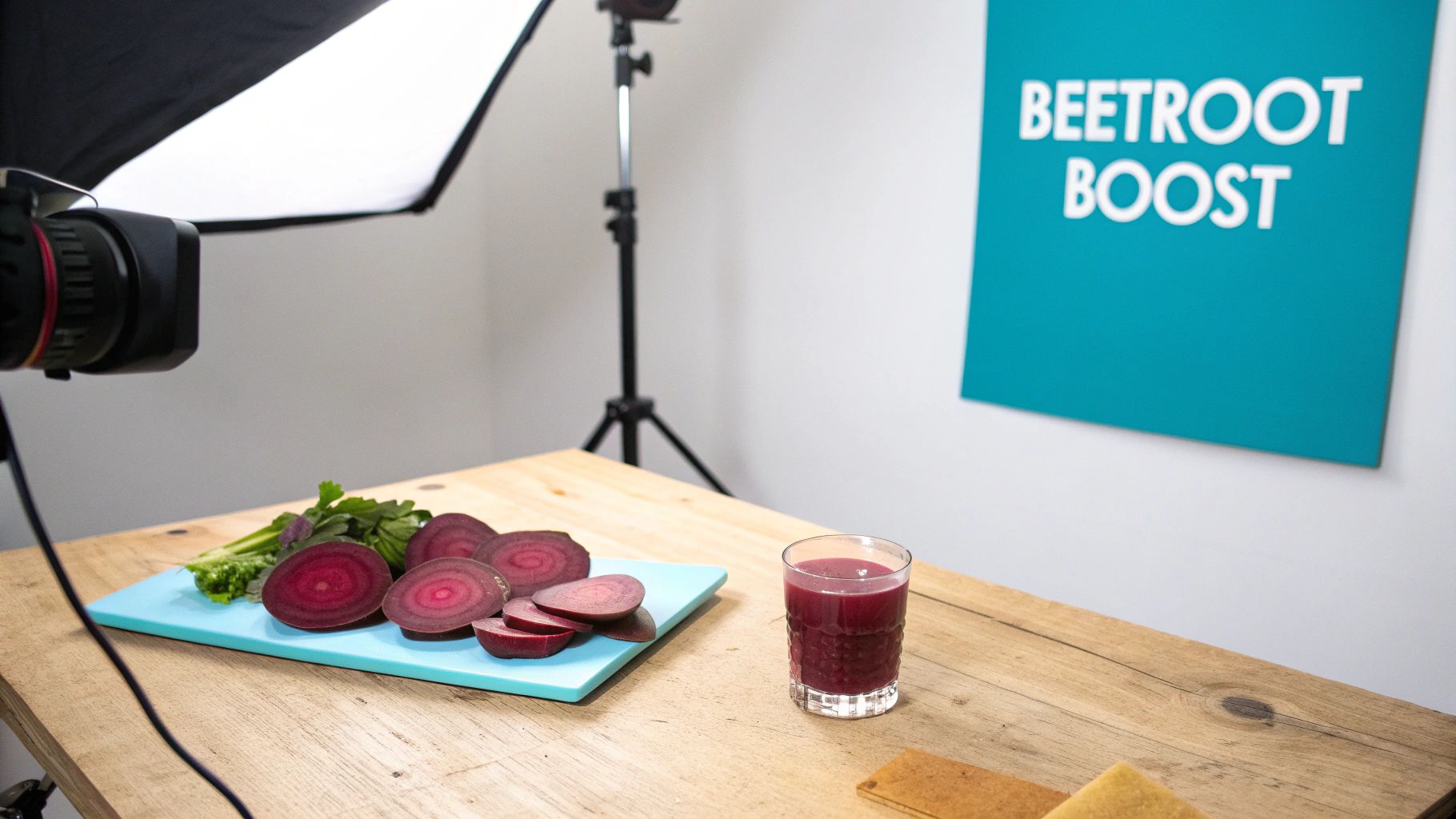
In addition to their antioxidant content, beets are rich in natural nitrates. These compounds help improve blood circulation throughout the body, including to the liver, which enhances the delivery of essential nutrients and the efficient removal of toxins. This dual-action support makes beets a fantastic choice for anyone looking to maintain a healthy liver, especially social drinkers.
Why It's Essential for Liver Health
The liver-protective properties of beets are supported by both traditional use and modern science. For centuries, Eastern European cultures have utilized beets as a folk remedy for liver support. More recently, clinical studies have shown that beetroot juice can help reduce the elevation of key liver enzymes like ALT and AST, which are markers of liver stress. Some studies suggest a reduction of 20-30% in these enzymes with regular consumption.
Key Insight: The betalains in beets specifically support Phase 2 detoxification, a critical pathway where the liver neutralizes harmful substances and prepares them for elimination from the body.
How to Incorporate Beets and Beetroot Juice
Adding beets to your diet is a simple and effective way to bolster liver function, particularly before social occasions involving alcohol.
- Go for the Juice: Drink 8-16oz of fresh beetroot juice 2-3 times per week for consistent support. This is the most concentrated way to get its benefits.
- Enhance the Effects: Combine beetroot juice with ginger and turmeric, two other powerful anti-inflammatory ingredients, to create a potent liver-protective tonic.
- Strategic Timing: Consume a glass of beetroot juice a few hours before a night out to provide your liver with preemptive antioxidant support.
- Comprehensive Support: For a convenient, modern approach to pre-drinking preparation, pair your beetroot juice with liver-focused supplements. Products like Upside Hangover Sticks offer a synergistic blend of ingredients that work alongside the natural benefits of beets.
To learn more about optimizing your pre-party routine, discover how to prepare your body for a night out.
#upside #enjoyupside #upsidejelly #livemore #hangovercure #hangoverprevention #fighthangovers #preventhangovers #HangoverRelief #MorningAfter #PartySmarter #HydrationStation #WellnessVibes #RecoverFaster #NoMoreHangovers #HealthyParty #HangoverHacks #FeelGoodMorning #NightlifeEssentials #HangoverFree #SupplementGoals #PostPartyPrep #GoodVibesOnly #HealthAndParty #HangoverHelper #UpsideToPartying
6. Garlic and Onions (Allium Vegetables)
As foundational ingredients in cuisines worldwide, garlic and onions are more than just flavor enhancers; they are potent contributors to our list of the best foods for liver health. These allium vegetables are rich in organosulfur compounds like allicin and thiosulfates, which provide powerful antioxidant and detoxification support directly to the liver.
These sulfur-containing compounds are critical for activating Phase 2 detoxification enzymes. This specific pathway is essential for neutralizing harmful substances, including alcohol metabolites. By boosting this process, garlic and onions help the liver efficiently clear toxins and reduce the oxidative stress that can lead to cellular damage, especially after a night of drinking.
Why They're Essential for Liver Health
The protective power of garlic and onions is rooted in their ability to support the production of glutathione, the body's master antioxidant. This molecule is paramount for liver function, helping to shield cells from damage. The consistent inclusion of these vegetables is a cornerstone of many health-promoting diets, such as the Mediterranean diet, where high consumption is linked to better liver health markers. Even clinical studies have shown that garlic supplementation can significantly reduce markers of liver inflammation.
Key Insight: The allicin in garlic, which is most potent when raw and crushed, not only fights oxidative stress but also enhances the liver's ability to process and eliminate toxins from the bloodstream.
How to Incorporate Garlic and Onions
Integrating these allium powerhouses into your diet is simple and offers significant benefits for proactive liver care.
- Go Raw for Max Potency: Aim to consume one to two cloves of raw garlic daily. Crush or mince it and let it sit for about 10 minutes before eating to maximize the formation of beneficial allicin.
- Cook for Consistency: Include at least one to two servings of cooked garlic or onions in your daily meals, such as in stir-fries, soups, or sauces, to ensure a steady supply of liver-protective compounds.
- Strategic Pre-Party Meal: Incorporate garlic and onions into the meal you eat before a social event. This helps prepare your liver's defensive and detoxification systems ahead of time.
- Synergistic Combinations: Combine garlic and onions with other liver-friendly spices like turmeric and ginger. This creates a powerful synergistic effect that enhances overall antioxidant and anti-inflammatory protection.
7. Green Tea and Matcha
A staple in many cultures for centuries, green tea is a powerhouse of antioxidants that make it one of the best foods for liver health. Its benefits are largely attributed to a group of polyphenolic compounds called catechins, with the most potent being epigallocatechin gallate (EGCG).
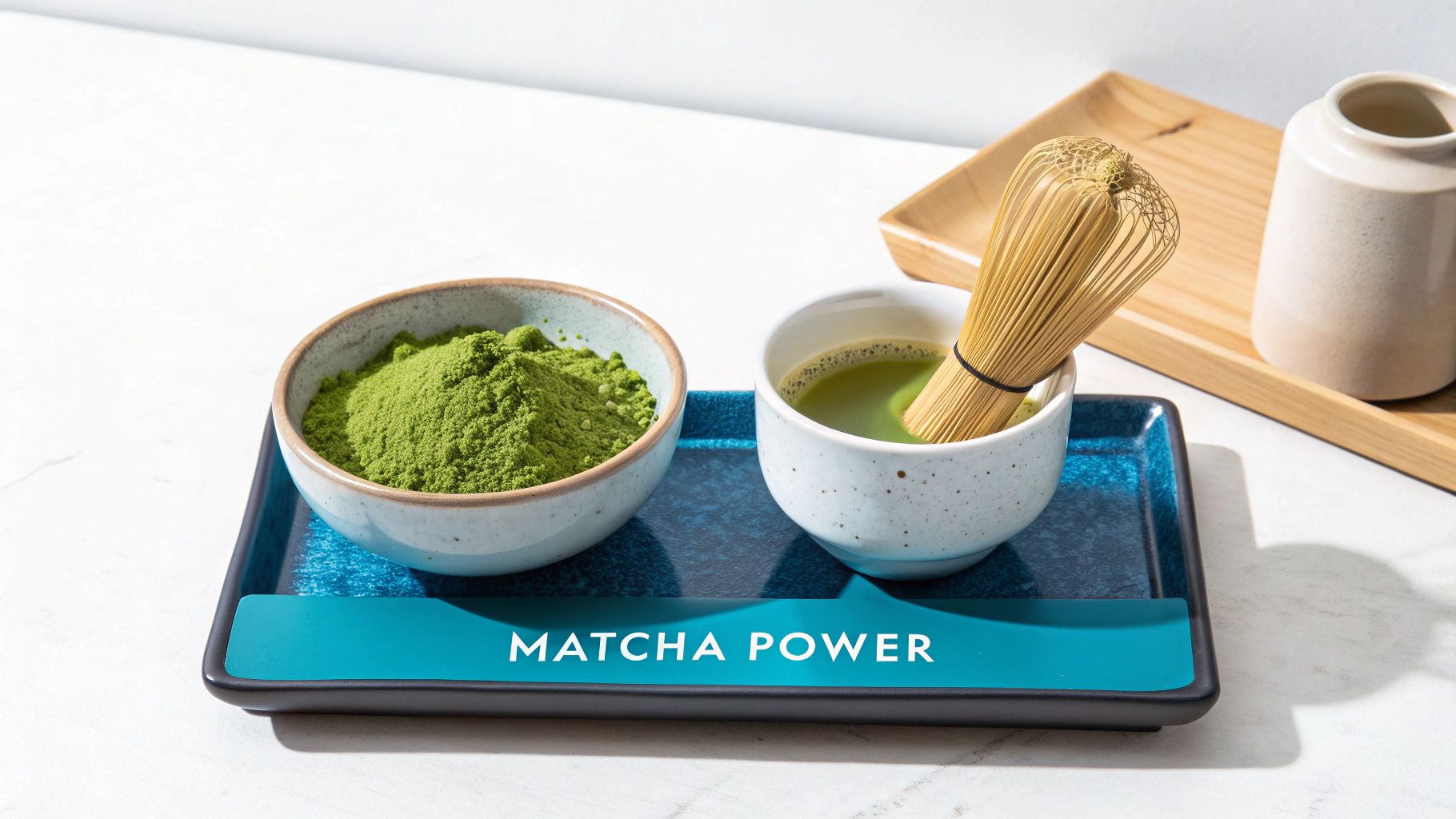
These powerful compounds are known to reduce oxidative stress, which is a major contributor to liver damage from toxins like alcohol. Matcha, a powdered form of green tea, offers an even more concentrated dose of these beneficial catechins, along with L-theanine, an amino acid that may help calm the inflammatory response often triggered by a night out.
Why It's Essential for Liver Health
The hepatoprotective effects of green tea are supported by extensive research. For instance, studies on Japanese populations who regularly consume green tea show significantly lower rates of liver disease. Clinical trials have also demonstrated its potential to improve liver enzyme levels and reduce fat accumulation in individuals with non-alcoholic fatty liver disease (NAFLD). By protecting liver cells from damage and supporting healthy fat metabolism, green tea acts as a formidable daily ally for your liver.
Key Insight: EGCG in green tea not only fights oxidative stress but also helps regulate fat metabolism within the liver, preventing the buildup of fat that can lead to long-term liver issues.
How to Incorporate Green Tea and Matcha
Integrating this liver-friendly beverage into your routine is simple and effective, especially for those who enjoy a social lifestyle.
- Daily Dose: Aim for 2-3 cups of high-quality green tea per day to maximize your catechin intake and support liver function.
- Proper Brewing: Steep your tea at a lower temperature, around 160-170°F (70-75°C), for 3-5 minutes. Boiling water can destroy the delicate catechins.
- Concentrated Benefits: For a more potent option, whisk one teaspoon of matcha powder into hot water. This provides the benefits of the entire tea leaf.
- Strategic Timing: Consider drinking a cup of green tea or matcha before a social event to provide your liver with pre-emptive antioxidant protection.
- Holistic Approach: For comprehensive liver support, especially after drinking, pair your green tea habit with a modern recovery aid. Upside Hangover Sticks are formulated with ingredients that work alongside natural foods to promote optimal recovery.
To learn more about boosting your body's defenses, you can explore how antioxidants prepare you for a night out.
#upside #enjoyupside #upsidejelly #livemore #hangovercure #hangoverprevention #fighthangovers #preventhangovers #HangoverRelief #MorningAfter #PartySmarter #HydrationStation #WellnessVibes #RecoverFaster #NoMoreHangovers #HealthyParty #HangoverHacks #FeelGoodMorning #NightlifeEssentials #HangoverFree #SupplementGoals #PostPartyPrep #GoodVibesOnly #HealthAndParty #HangoverHelper #UpsideToPartying
8. Coffee
Your daily coffee habit might be doing more than just waking you up; it’s a powerful ally for liver health, making it one of the best foods for liver health. Far from just a caffeine boost, coffee is packed with beneficial polyphenols like chlorogenic acid and caffeic acid. These compounds deliver significant antioxidant and anti-inflammatory benefits that directly support and protect the liver.
This protective effect is so profound that consistent coffee consumption is strongly linked to a reduced risk of various liver diseases. It helps shield the liver from the damaging effects of alcohol and other toxins, making it an essential part of a liver-conscious lifestyle for social drinkers.
Why It's Essential for Liver Health
The scientific evidence supporting coffee's role in liver protection is overwhelming. Multiple large-scale studies demonstrate its benefits. For instance, a meta-analysis published in the journal Hepatology revealed that drinking coffee helps prevent the progression of fibrosis in those with chronic liver disease. Italian population studies also credit high coffee consumption as a key factor in their population's liver health. For social drinkers, the effects are particularly notable as the compounds in coffee help counteract some of the hepatotoxic stress caused by alcohol metabolism.
Key Insight: Drinking just three or more cups of coffee per day has been associated with a risk reduction for cirrhosis of up to 50%, highlighting its powerful hepatoprotective capabilities.
How to Incorporate Coffee
To leverage coffee for optimal liver support, consistency and preparation are key.
- Optimal Dosage: Aim for 3-4 cups of black coffee daily to maximize its protective benefits.
- Choose Wisely: Opt for whole-bean, freshly roasted coffee to get the highest concentration of antioxidants. Medium roasts may offer a better balance of chlorogenic acid compared to darker roasts.
- Keep It Simple: Drink your coffee black or with minimal additions. Adding large amounts of sugar, cream, or artificial sweeteners can negate its health benefits and add stress to the liver.
- Strategic Timing: Enjoy your coffee in the morning and early afternoon to gain the benefits without disrupting your sleep patterns, which are also crucial for liver regeneration.
- Comprehensive Support: Pair your daily coffee ritual with other targeted support. Coffee helps protect the liver, while products like Upside Hangover Sticks can help support the body's alcohol processing pathways for a holistic approach.
To better understand the strain that social drinking can place on your system, you can explore how alcohol affects the liver.
#upside #enjoyupside #upsidejelly #livemore #hangovercure #hangoverprevention #fighthangovers #preventhangovers #HangoverRelief #MorningAfter #PartySmarter #HydrationStation #WellnessVibes #RecoverFaster #NoMoreHangovers #HealthyParty #HangoverHacks #FeelGoodMorning #NightlifeEssentials #HangoverFree #SupplementGoals #PostPartyPrep #GoodVibesOnly #HealthAndParty #HangoverHelper #UpsideToPartying
9. Omega-3 Rich Fatty Fish (Salmon, Sardines, Mackerel)
Incorporating fatty fish like salmon, sardines, and mackerel is a delicious and highly effective strategy for supporting liver function, making them one of the best foods for liver health. These fish are packed with omega-3 polyunsaturated fatty acids, specifically eicosapentaenoic acid (EPA) and docosahexaenoic acid (DHA), which are celebrated for their powerful anti-inflammatory properties.
For social drinkers, the benefits are particularly relevant. Alcohol consumption can trigger inflammation and promote fat accumulation in the liver. The omega-3s in fatty fish directly counteract these processes by helping to reduce hepatic inflammation, lower triglyceride levels, and prevent the development of fatty liver disease. They also play a crucial role in maintaining the structural integrity of liver cell membranes.
Why It's Essential for Liver Health
The link between fatty fish consumption and liver wellness is supported by significant evidence. For instance, studies on the Mediterranean diet consistently show that its high fish intake contributes to lower rates of liver disease. Clinical trials have also demonstrated that omega-3 supplementation can reduce liver inflammation and fat in individuals who consume alcohol, highlighting its protective capabilities. These fatty acids address both direct alcohol toxicity and the metabolic dysfunction that drinking often exacerbates.
Key Insight: The anti-inflammatory properties of omega-3s are crucial for minimizing the low-grade liver tissue damage that can occur from regular social drinking, helping to preserve long-term liver function.
How to Incorporate Fatty Fish
Adding these nutrient-dense fish to your diet is simple and offers proactive liver support, especially around social events.
- Optimal Servings: Aim for two to three 4-ounce servings of fatty fish each week to ensure a consistent intake of beneficial omega-3s.
- Choose Wisely: Opt for wild-caught salmon, sardines, or mackerel whenever possible, as they typically have a higher omega-3 content and fewer contaminants than some farm-raised varieties.
- Cooking Methods Matter: To preserve the delicate omega-3s, choose gentle cooking methods like baking, poaching, or grilling instead of high-heat frying.
- Strategic Timing: Consider having a meal rich in fatty fish the day before a social event. This can help "pre-load" your system with anti-inflammatory compounds to better manage alcohol's effects on your liver.
For more wellness tips and ways to support your body, explore our blog on holistic health strategies.
#upside #enjoyupside #upsidejelly #livemore #hangovercure #hangoverprevention #fighthangovers #preventhangovers #HangoverRelief #MorningAfter #PartySmarter #HydrationStation #WellnessVibes #RecoverFaster #NoMoreHangovers #HealthyParty #HangoverHacks #FeelGoodMorning #NightlifeEssentials #HangoverFree #SupplementGoals #PostPartyPrep #GoodVibesOnly #HealthAndParty #HangoverHelper #UpsideToPartying
10. Ginger Root
Ginger root is a powerful culinary spice and a staple in traditional medicine, celebrated for its robust flavor and profound health benefits. It earns its place on our list of the best foods for liver health due to its potent bioactive compounds, gingerols and shogaols. These compounds deliver significant anti-inflammatory and antioxidant effects directly to the liver.
Ginger works by supporting Phase 2 liver detoxification, the crucial process of neutralizing and eliminating toxins. It directly reduces oxidative stress markers in the liver and enhances the body's own antioxidant enzyme systems. For social drinkers, ginger is particularly valuable as its anti-inflammatory properties help minimize liver tissue damage caused by alcohol metabolites, while its renowned anti-nausea effects help soothe the stomach.
Why It's Essential for Liver Health
The hepatoprotective qualities of ginger are recognized across various medicinal traditions. Ayurvedic and traditional Asian medicine have long used ginger as a foundational remedy for hepatic health. Clinical trials have also validated its power, demonstrating its effectiveness in reducing nausea from treatments like chemotherapy, which can be harsh on the liver. Its ability to combat inflammation and oxidative stress makes it a key ally in maintaining liver integrity.
Key Insight: Ginger not only shields the liver from toxic damage but also actively supports digestive function, addressing common post-drinking symptoms like nausea and indigestion, making it a dual-action remedy for a night out.
How to Incorporate Ginger Root
Adding this versatile root to your routine is simple and effective, especially for those looking to support their liver around social events.
- Daily Dose: Aim to consume 1-2 inches of fresh ginger root daily. You can eat it raw, grate it into smoothies, or brew it into a tea.
- Ginger Tea: Make a soothing tea by steeping several slices of fresh ginger in hot water for 10-15 minutes. Add lemon or honey for extra flavor.
- Potent Combinations: Combine ginger with turmeric and a pinch of black pepper to create a powerful anti-inflammatory synergy that enhances liver benefits.
- Strategic Consumption: Consuming ginger before and after social drinking can help prevent damage and alleviate next-day symptoms. For comprehensive support, pair it with products like Upside Hangover Sticks, where ginger can manage nausea while Upside addresses broader recovery needs.
To learn more about how functional ingredients can support your wellness journey, explore our blog for other health insights.
#upside #enjoyupside #upsidejelly #livemore #hangovercure #hangoverprevention #fighthangovers #preventhangovers #HangoverRelief #MorningAfter #PartySmarter #HydrationStation #WellnessVibes #RecoverFaster #NoMoreHangovers #HealthyParty #HangoverHacks #FeelGoodMorning #NightlifeEssentials #HangoverFree #SupplementGoals #PostPartyPrep #GoodVibesOnly #HealthAndParty #HangoverHelper #UpsideToPartying
Top 10 Liver-Supporting Foods Comparison
| Item | Implementation Complexity 🔄 | Resource Requirements ⚡ | Expected Outcomes 📊 | Ideal Use Cases 💡 | Key Advantages ⭐ |
|---|---|---|---|---|---|
| Milk Thistle | Low (daily supplement) | Low cost; available as seed/extract/tea | Moderate–High over weeks; improves liver enzymes and regeneration ⭐⭐⭐⭐ | Preventative support for regular social drinkers | Clinically studied silymarin; supports glutathione & cell repair |
| Leafy Greens (Spinach, Kale, Arugula) | Low (daily dietary change) | Very low cost; minimal prep | Moderate long-term foundational detox support; boosts glutathione precursors ⭐⭐⭐ | Daily baseline nutrition to reduce hepatic burden | Broad micronutrients, chlorophyll, and Phase‑2 support |
| Turmeric (Curcumin) | Low–Moderate (needs enhancer for absorption) | Low cost; best with piperine/fat or standardized extract | Moderate–High anti-inflammatory and bile support with consistent use ⭐⭐⭐⭐ | Anti-inflammatory liver support and pre/post drinking routines | Strong research base; enhances bile and detox enzymes |
| Cruciferous Vegetables (Broccoli, Brussels, Cabbage) | Moderate (prefer raw/lightly steamed) | Low cost; regular servings required | High enzyme activation (Phase 1–3) when consumed raw/short-steamed ⭐⭐⭐⭐ | Pre-emptive enzyme activation before drinking; weekly regimen | Potent sulforaphane/I3C-driven detoxification boost |
| Beets and Beetroot Juice | Low (juice or whole) | Moderate (fresh juice recommended) | Moderate rapid effects; improves circulation and lowers liver enzymes within hours/days ⭐⭐⭐ | Pre-drinking or recovery juice for quick hepatic support | Unique betalains and nitrates for circulation & Phase‑2 support |
| Garlic and Onions (Allium Vegetables) | Low (culinary inclusion or raw cloves) | Very low cost; shelf-stable | Moderate; support Phase‑2 and glutathione with regular use ⭐⭐⭐ | Daily meal inclusion to maintain detox capacity | Affordable organosulfur compounds that enhance detox enzymes |
| Green Tea and Matcha | Low (brew or whisk) | Low–Moderate (matcha cost higher) | High with regular intake; reduces fatty liver risk and oxidative stress ⭐⭐⭐⭐ | Daily beverage for catechin intake; calming pre-drink option | Concentrated EGCG (matcha) and L‑theanine for liver + calm |
| Coffee | Low (daily habit) | Low cost; widely available | High epidemiological protection; lowers cirrhosis and fibrosis risk ⭐⭐⭐⭐ | Morning/regular routine to confer sustained hepatoprotection | Strong, consistent evidence across large studies |
| Omega-3 Rich Fatty Fish (Salmon, Sardines, Mackerel) | Moderate (meal planning/weeklies) | Moderate–High cost; sourcing matters | High anti-inflammatory & metabolic benefits; reduces triglycerides ⭐⭐⭐⭐ | Weekly anti-inflammatory support to prevent fatty liver | Bioavailable EPA/DHA for membrane repair and inflammation control |
| Ginger Root | Low (tea, raw, or supplement) | Low cost; widely available | Moderate; reduces nausea and hepatic inflammation; supports Phase‑2 ⭐⭐⭐ | Symptom relief for hangovers (nausea) and digestive support | Versatile anti‑nausea and anti‑inflammatory compound (gingerols) |
Integrate and Elevate: Your Action Plan for a Healthier Liver
Navigating the landscape of health and wellness can often feel complex, but as we've explored, supporting your liver's vitality is a goal firmly within your grasp. The journey isn't about radical deprivation or an unattainable, perfect diet. Instead, it’s about strategic integration, consciously weaving potent, protective ingredients into the fabric of your daily life. By embracing the best foods for liver health, you’re not just eating; you’re building a foundation of resilience, one meal at a time.
This isn’t about a restrictive checklist but a powerful toolkit. The goal is to make these foods a natural, enjoyable part of your routine. The cumulative effect of these choices is where the real magic happens. Each handful of spinach, cup of green tea, or serving of salmon contributes to a stronger, more efficient liver, enhancing its ability to filter, detoxify, and keep you feeling your best.
From Knowledge to Action: Your Three-Step Implementation Plan
Transforming information into habit is the most critical step. Rather than trying to incorporate all ten foods at once, focus on creating a sustainable rhythm. Here is a practical, three-step approach to get started:
- Start with "Plus One": Your first goal is simple addition. Don't worry about taking anything away from your diet just yet. Each day, choose one opportunity to add a liver-friendly food. This could be as simple as adding a sprinkle of turmeric to your morning eggs, swapping a soda for a cup of coffee, or tossing some broccoli florets into a stir-fry.
- Master the "Smart Swap": Once you're comfortable with addition, begin making strategic substitutions. Could you replace a creamy dressing with an olive oil and lemon vinaigrette? Can you switch your usual side of potatoes for a serving of Brussels sprouts? These small shifts compound over time, significantly upgrading the nutritional profile of your meals without feeling like a major sacrifice.
- Build Your "Power Pairings": Amplify the benefits by combining these powerhouse foods. Think of a kale salad topped with grilled salmon and a ginger-turmeric dressing. Or consider a smoothie that blends spinach with beetroot. These pairings create a synergistic effect, delivering a concentrated dose of the antioxidants, polyphenols, and healthy fats your liver thrives on.
The Bigger Picture: Proactive Health for a Vibrant Life
Mastering this approach is about more than just organ health; it’s about reclaiming your energy and vitality. For busy professionals, frequent travelers, and nightlife enthusiasts, a resilient liver is your secret weapon. It means better energy levels, clearer skin, and the ability to bounce back faster, allowing you to perform at your peak both professionally and socially.
A proactive dietary strategy is your first line of defense, creating a robust internal system that’s better equipped to handle the demands of a modern, active lifestyle.
This dietary foundation is particularly powerful for those who enjoy social occasions. When you consistently nourish your body with the best foods for liver health, you're creating a buffer. This allows you to enjoy life's celebratory moments with confidence, knowing you have a strong baseline of health. By pairing this nutritional wisdom with smart, targeted support, you unlock a new level of freedom. You can live life to the fullest, knowing you have the tools to stay balanced and feel great. Now, it's time to put this plan into action and start enjoying the tangible upside of a healthier, more vibrant you.
For those times you celebrate and want to give your liver an extra layer of targeted support, Upside Hangover Sticks are the perfect complement to your healthy diet. Our formula is packed with liver-supporting ingredients like Milk Thistle, Ginger, and key electrolytes to help you prepare for a great night and an even better morning. Elevate your wellness strategy by visiting our website to learn more about Upside Hangover Sticks.